De Viking
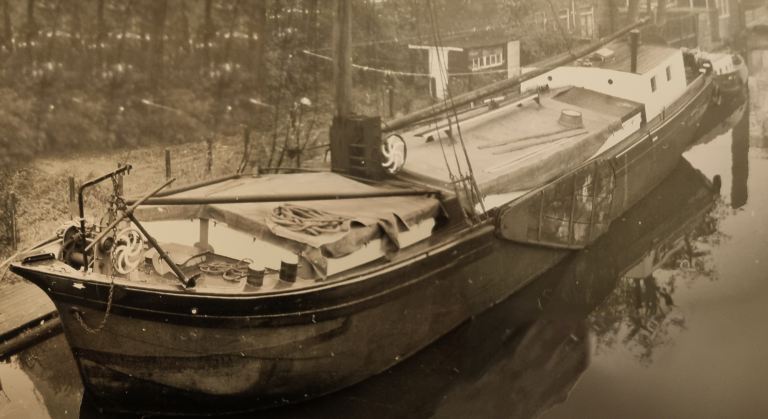
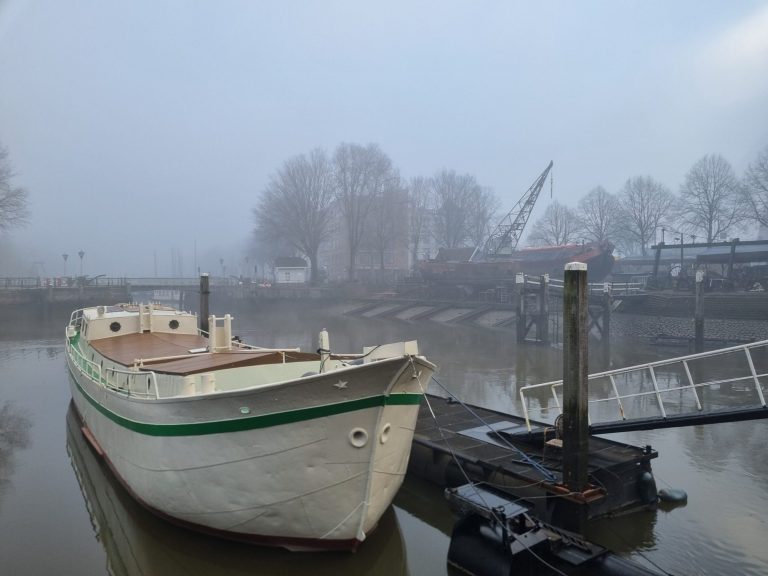
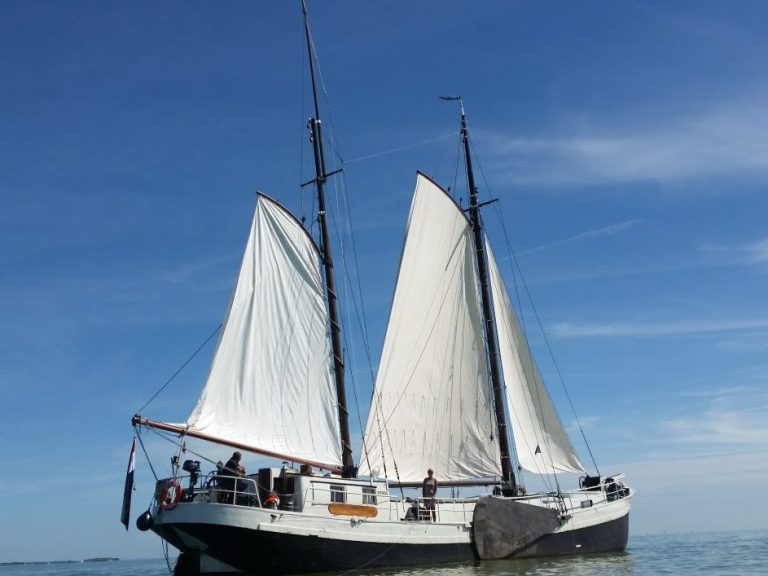
This project is initiated by a Germany-based shipping company aiming to promote sustainability in maritime transportation. By converting this 1909 brown fleet sailing yacht into a fully electric vessel, the company aims to demonstrate that newly constructed ships can and should embrace a more sustainable approach. This includes considering environmental aspects throughout the construction process.
Because this was such a substantial project that spanned over two years, I divided the process into several significant milestones for a better understanding.
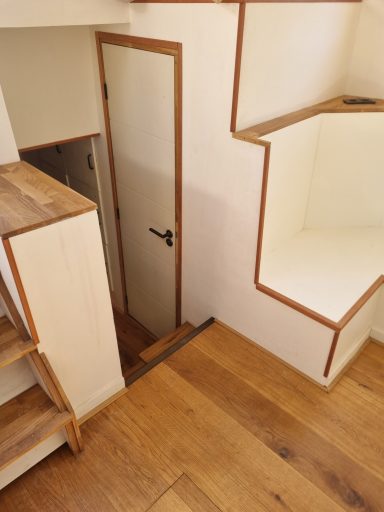
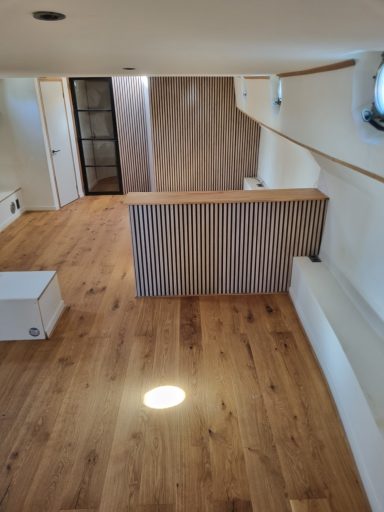
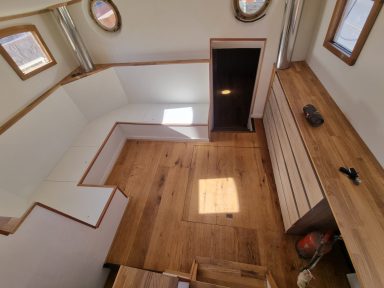
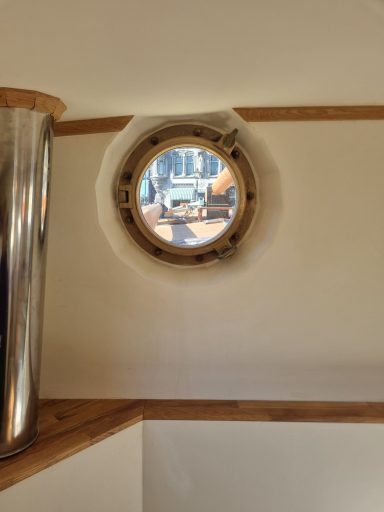
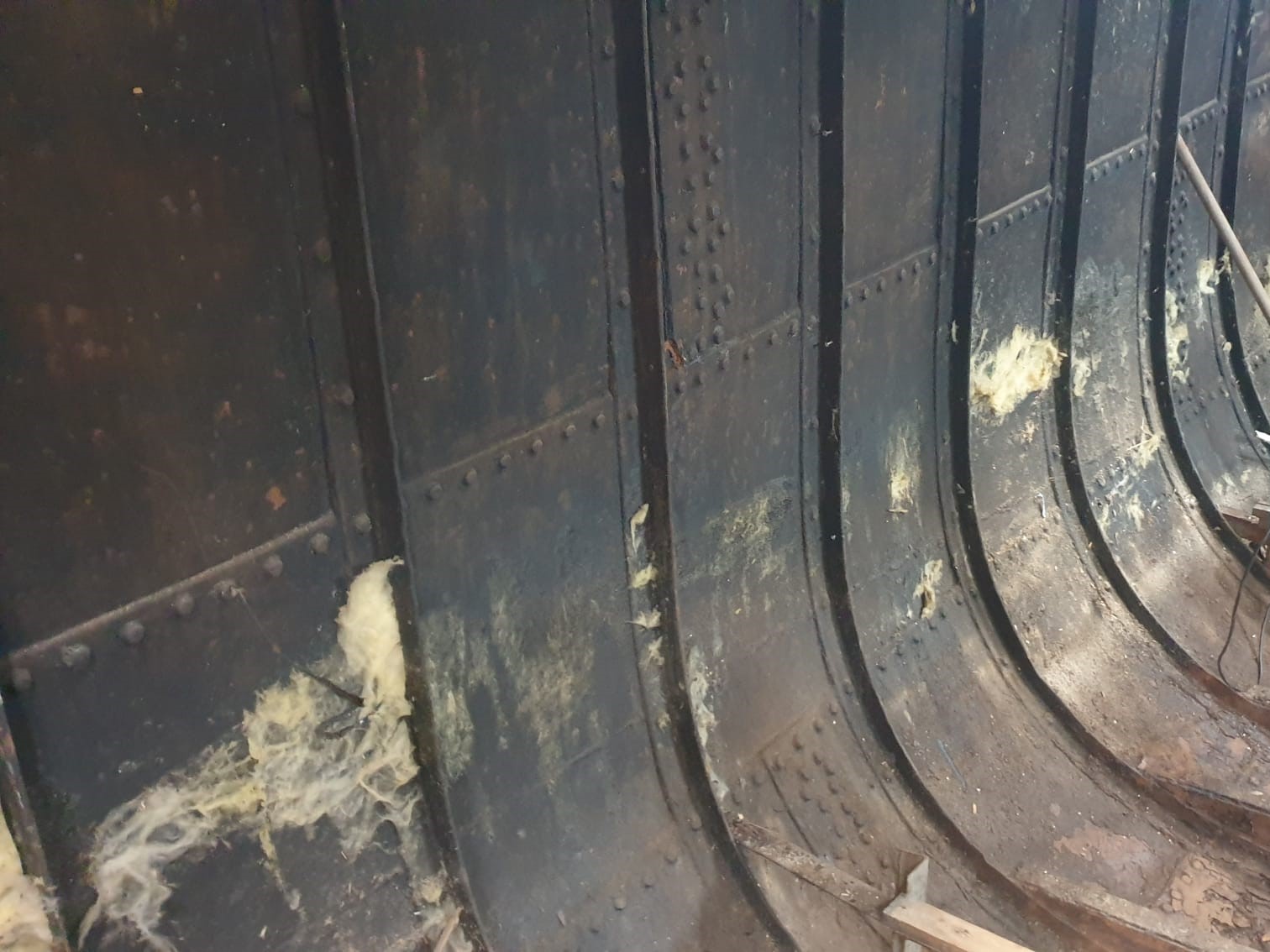
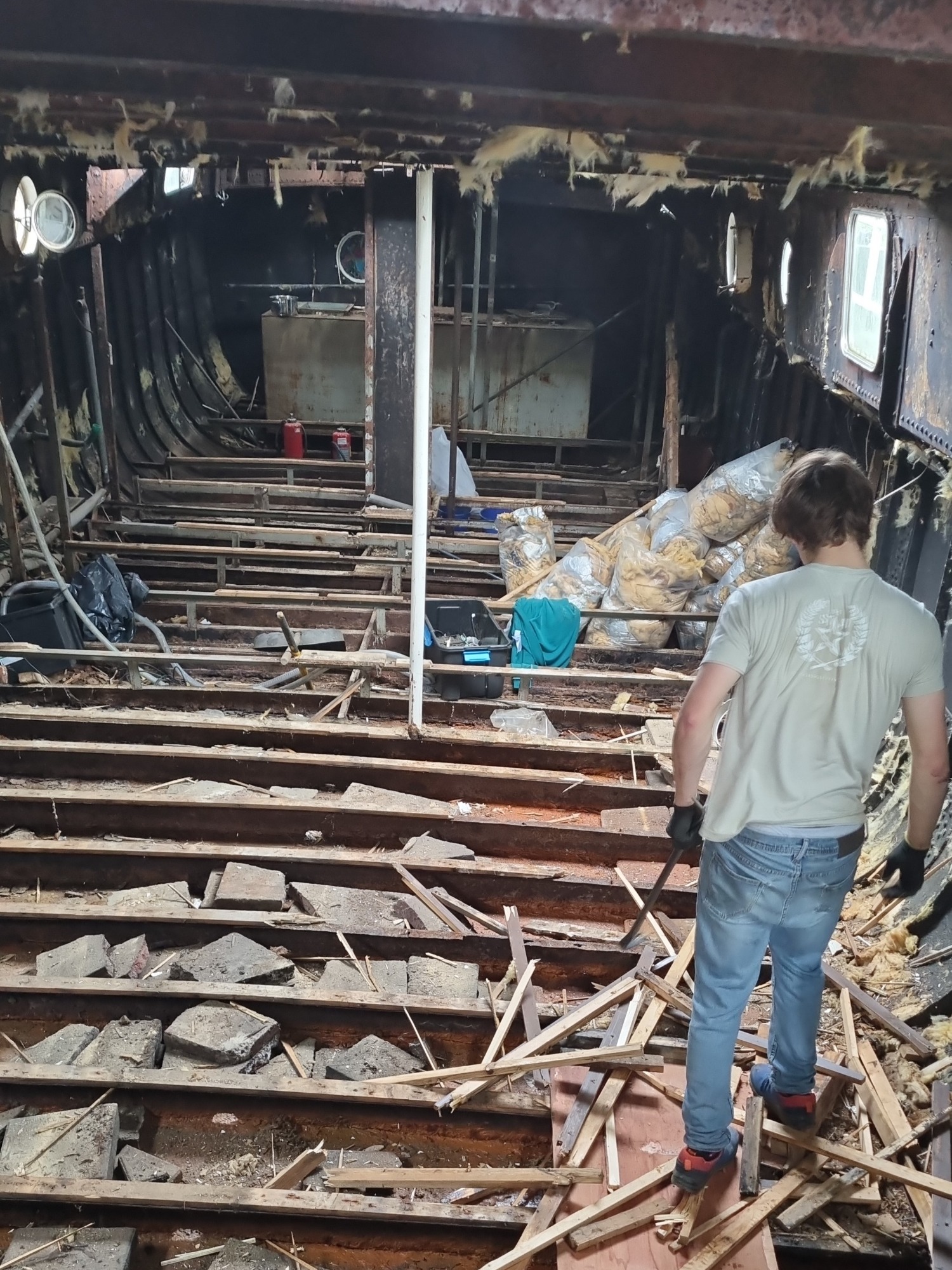
The boat was transported from Monnickendam to Leiden, marking the beginning of its restoration. The process started by stripping it down to its bare steel hull.
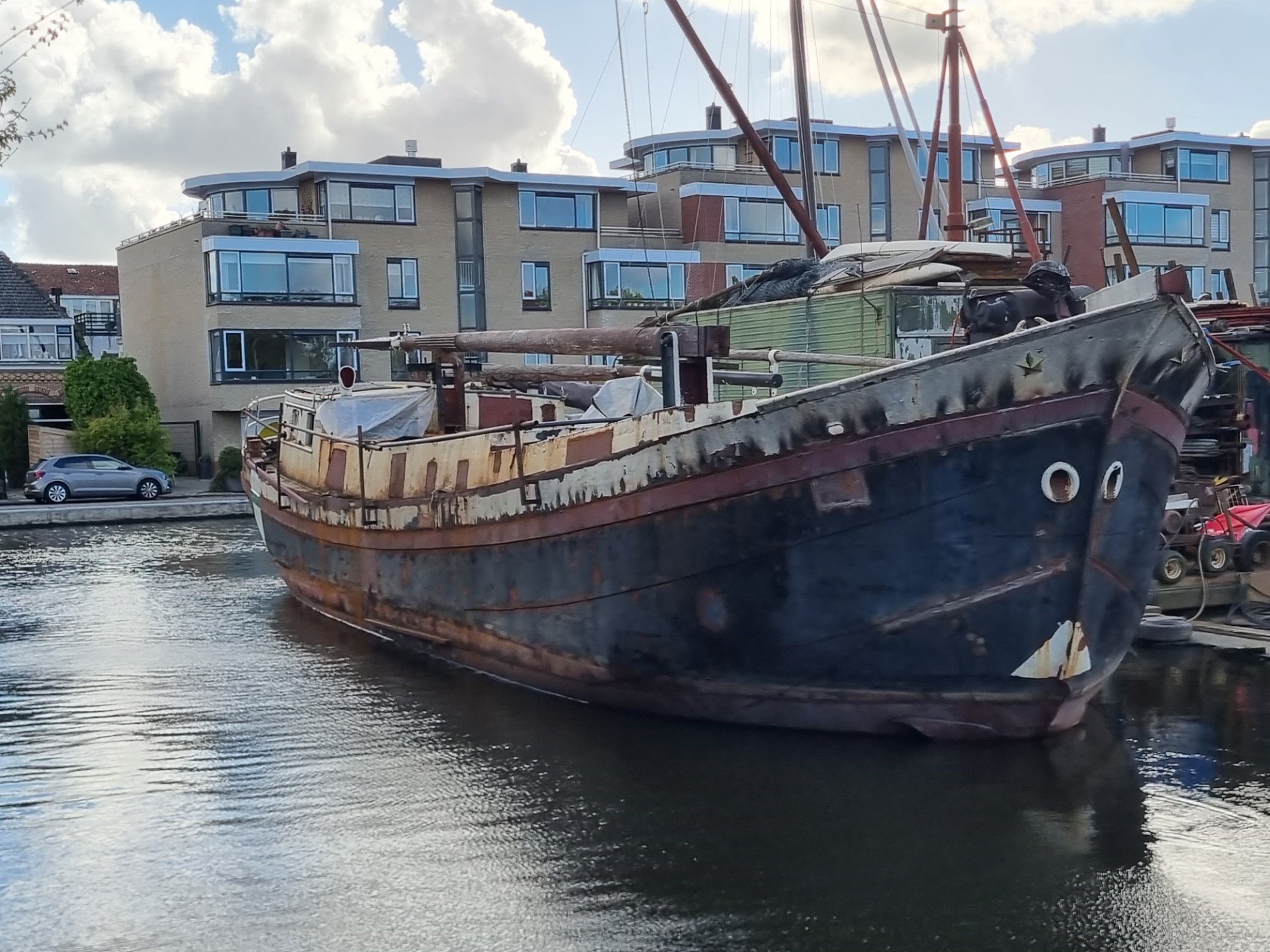
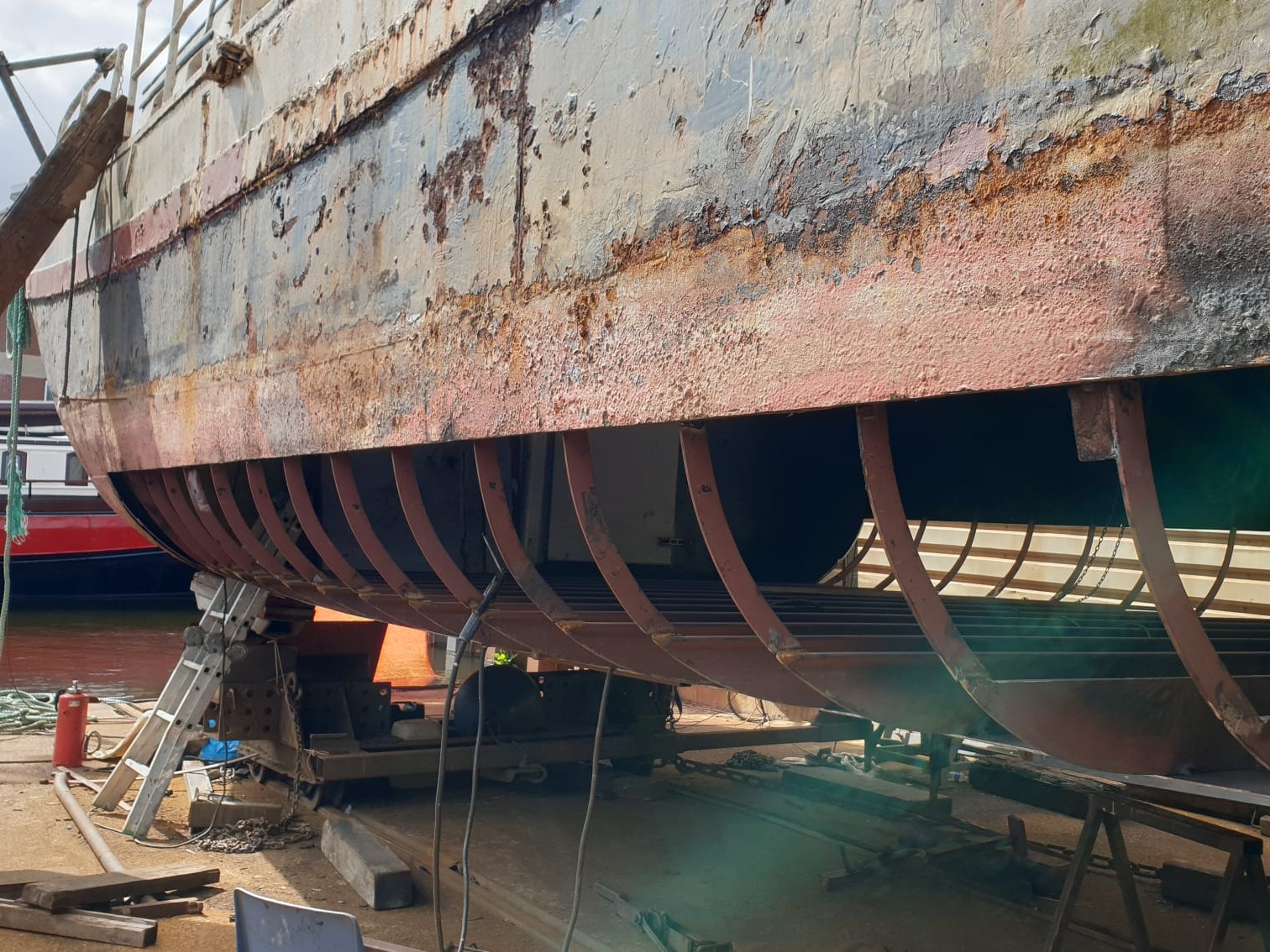
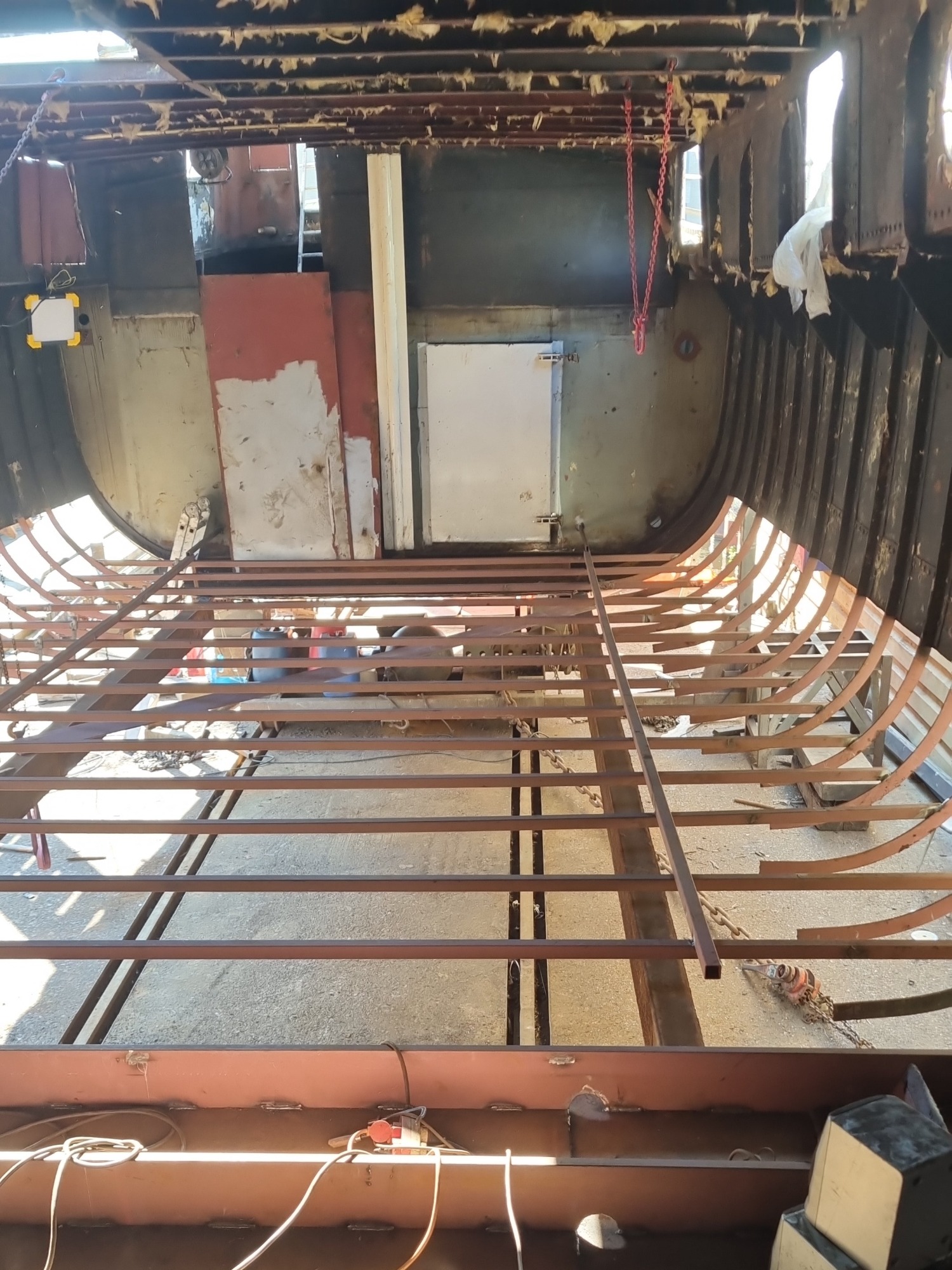
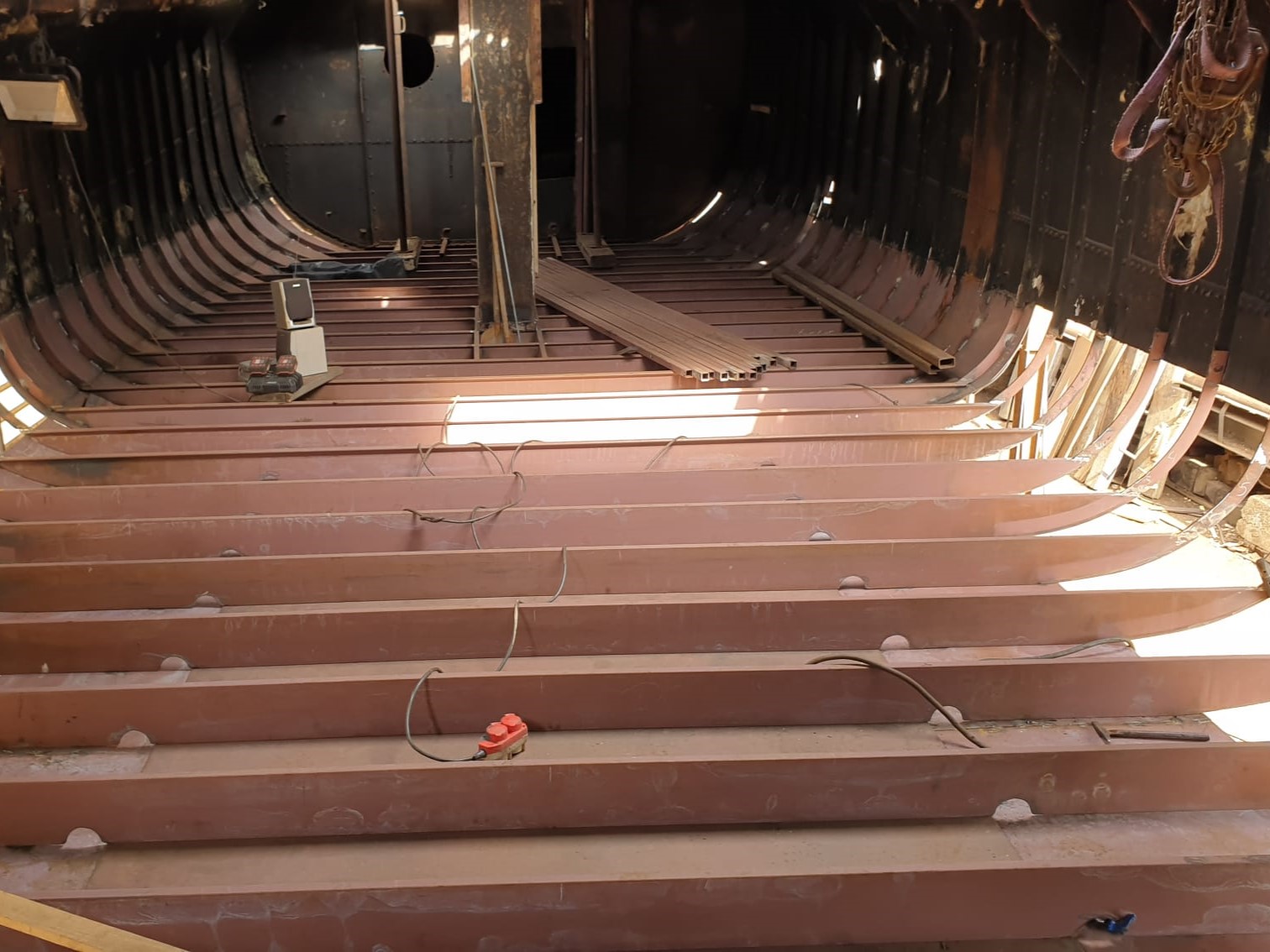
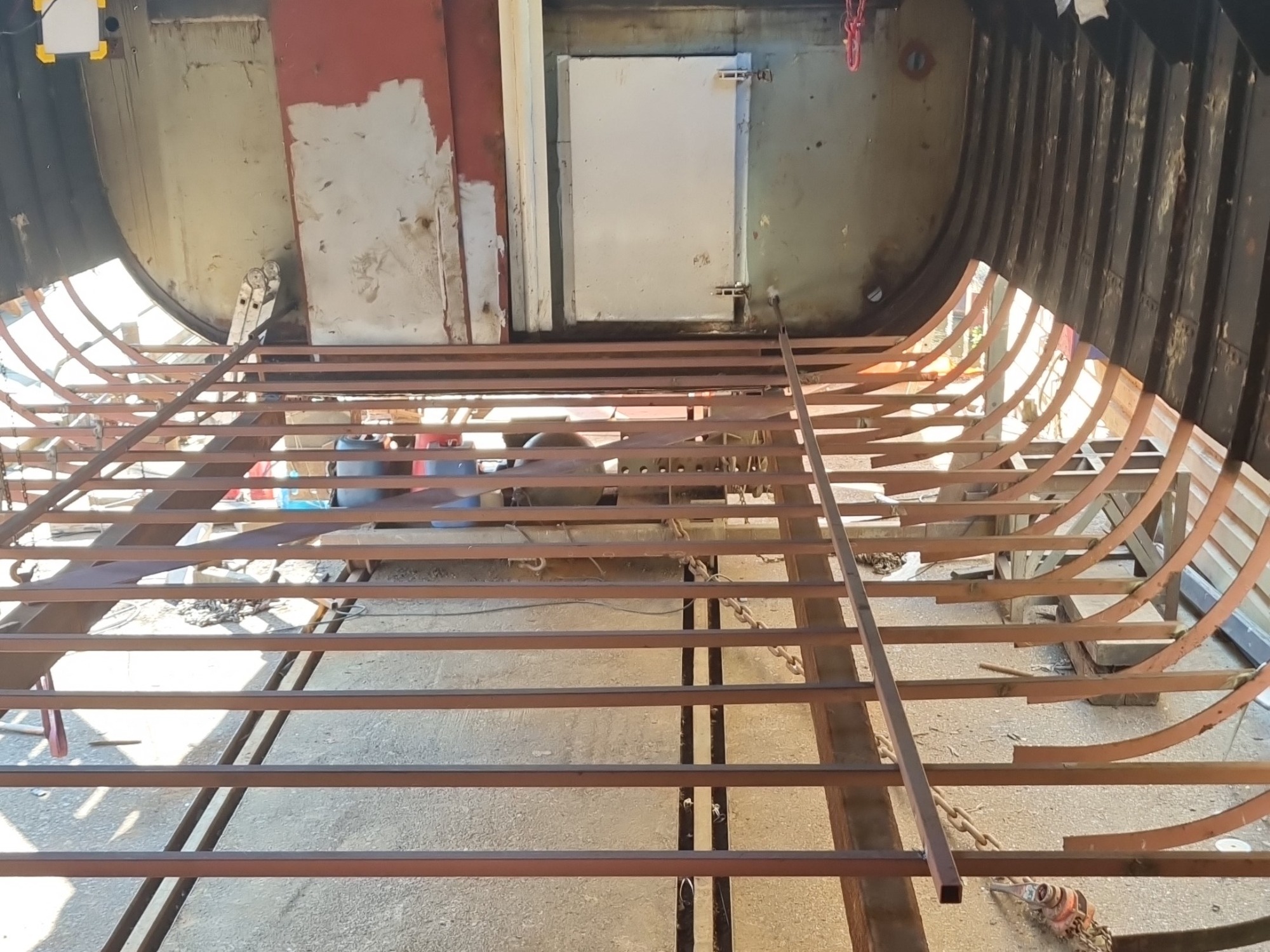
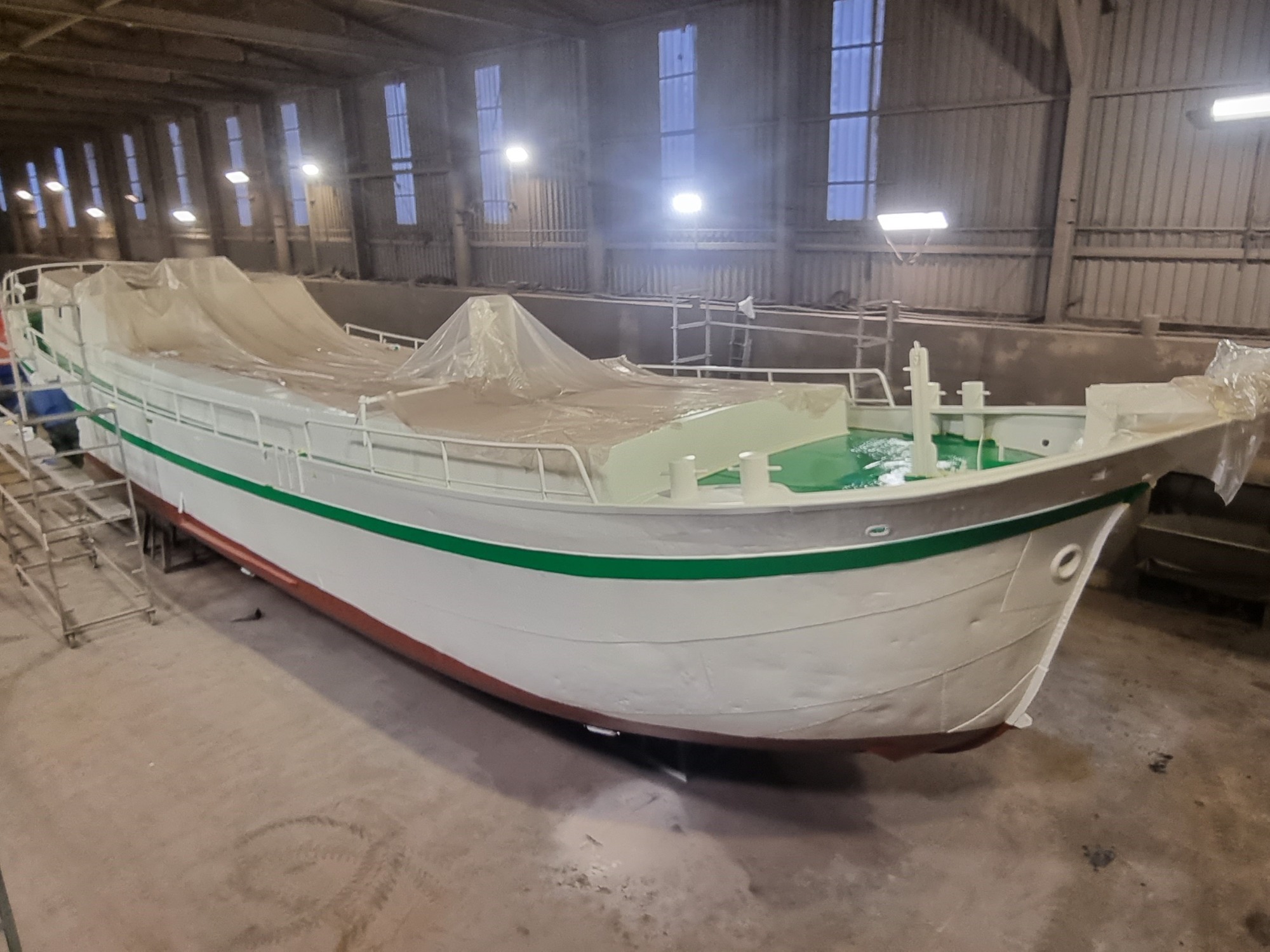
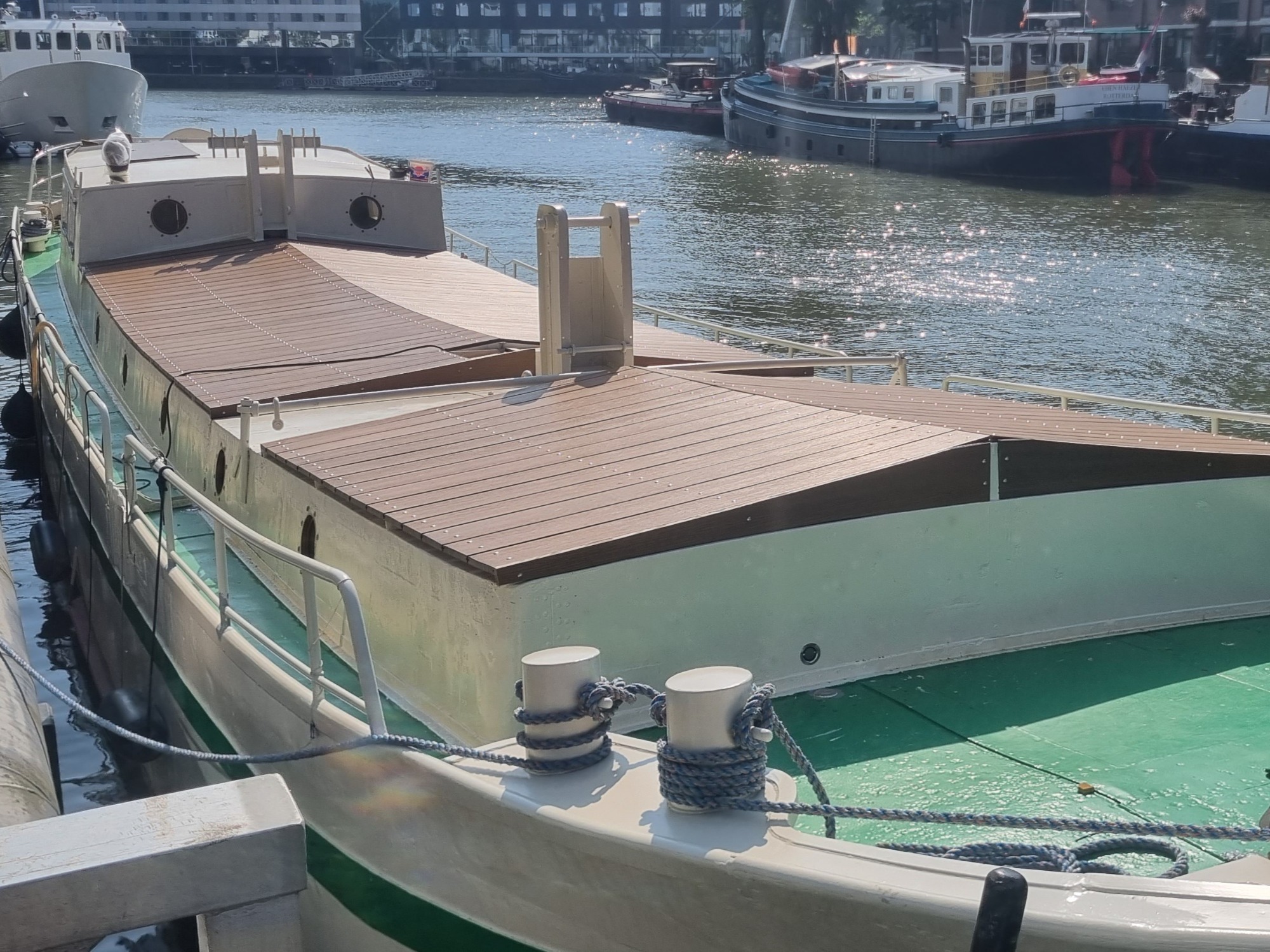
Once the boat was stripped, the metalwork could begin. Due to severe corrosion, over half of the steelwork had to be replaced including the bottom, frames, and chines. All rusted sections were substituted with new steel plates, and the deck was leveled to a consistent height.
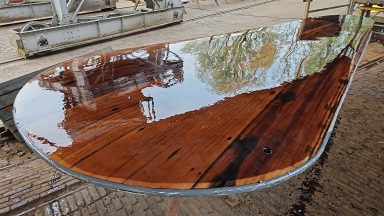
Following this, the boat was sandblasted, painted, and fitted with a new composite deck.
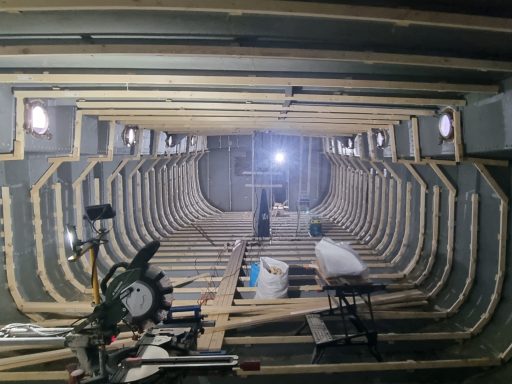
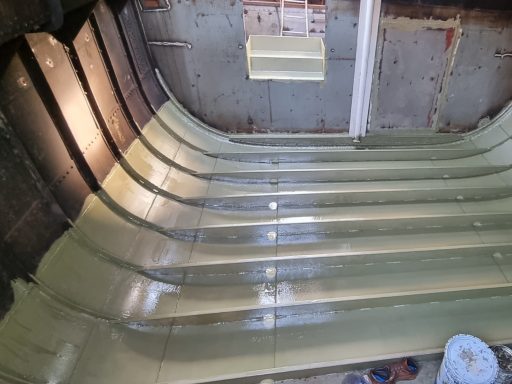
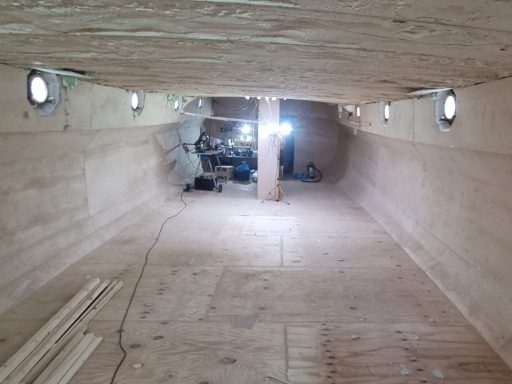
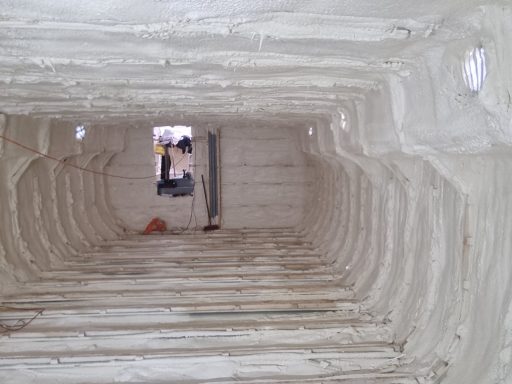
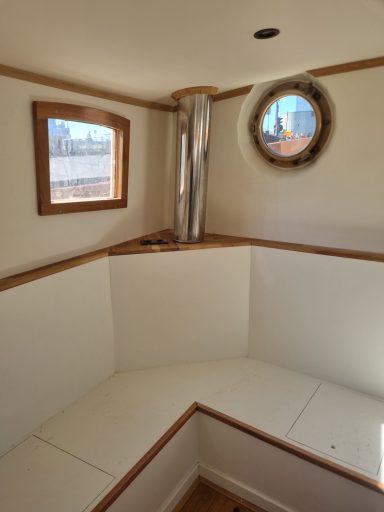
We began by cleaning the over 100-year-old grease from the boat’s interior and applied a protective coat of paint to the exposed steel. Afterward, we installed the groundwood flooring, and for insulation, we brought in a specialized company to spray foam throughout the interior. Once the excess was removed, we carefully fitted the wooden panels, measuring each one by hand.
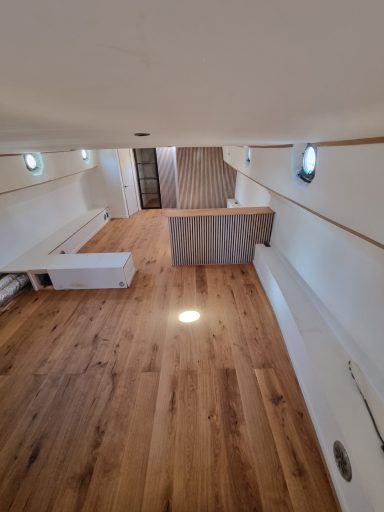
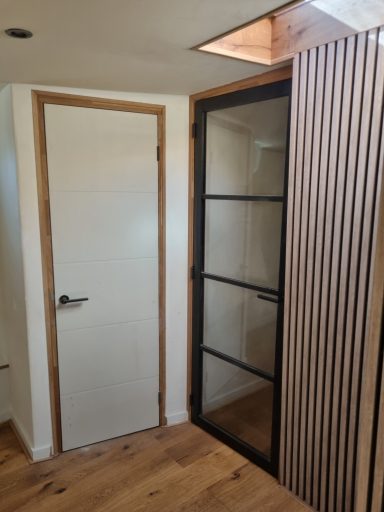
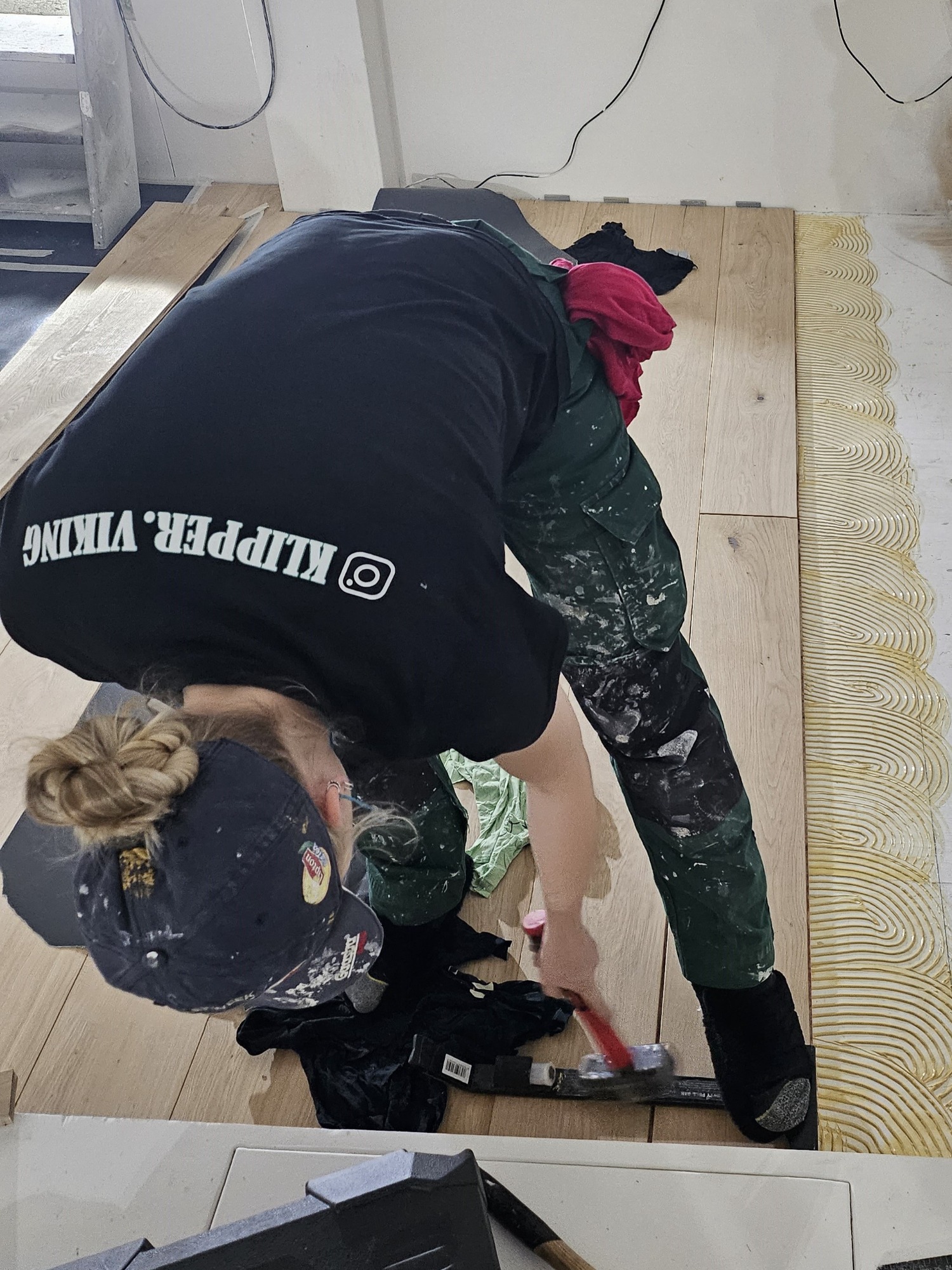
Because of the boat’s unique shape, every panel differed slightly preserving and highlighting its distinctive form. We then positioned the internal walls to create separate rooms and discreetly routed all electrical wiring and ventilation through custom-built coves along the sides.
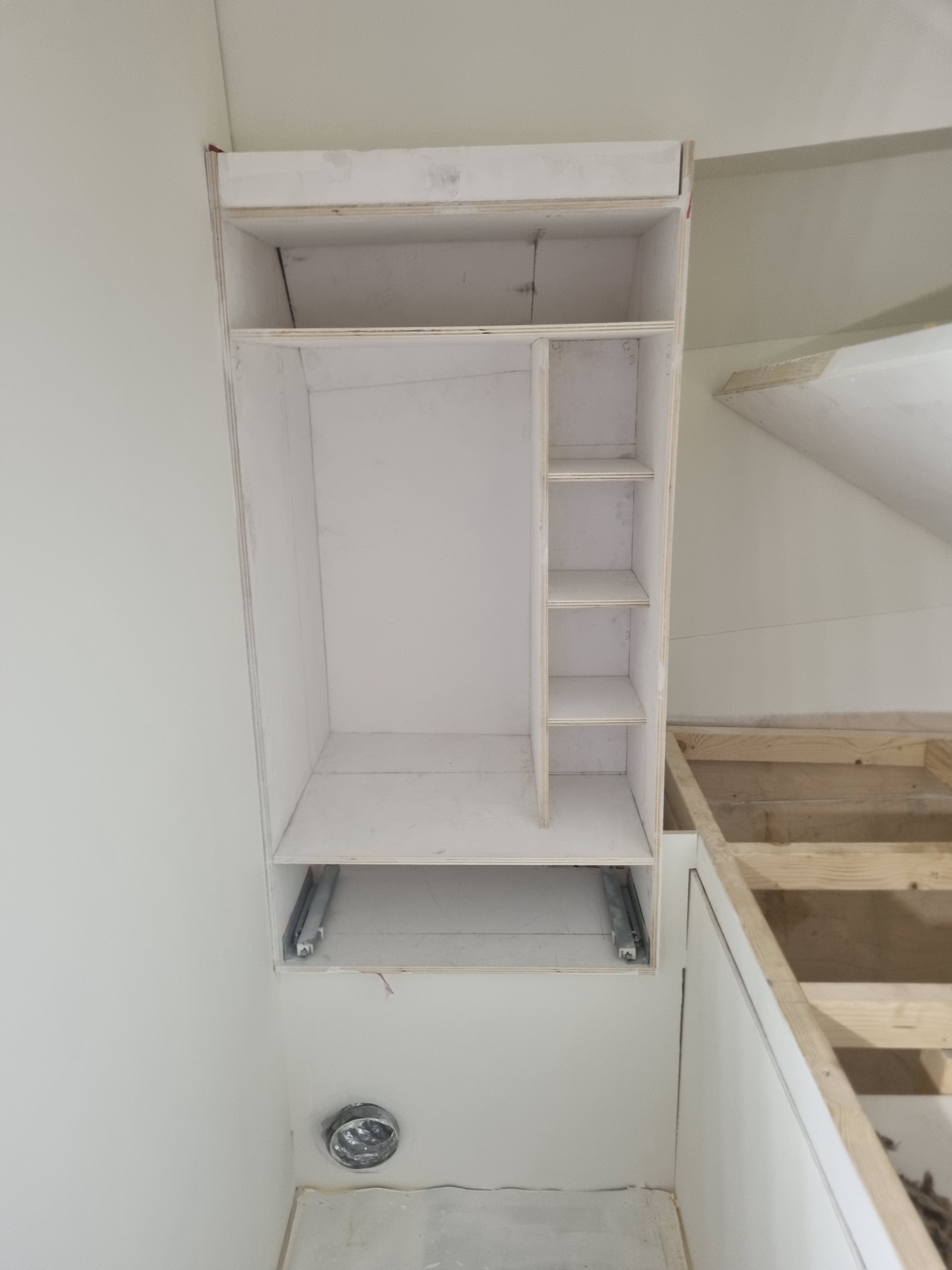
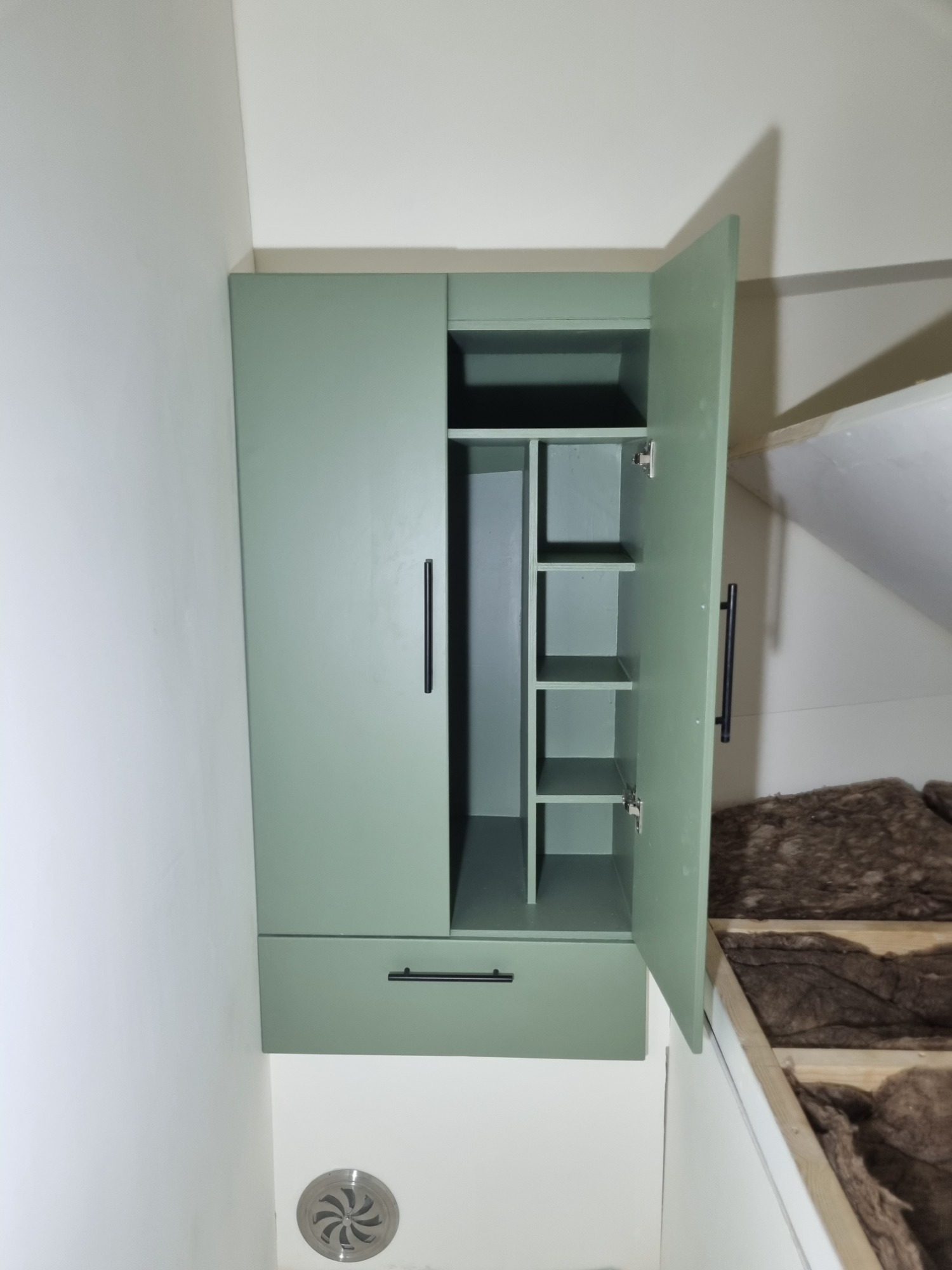
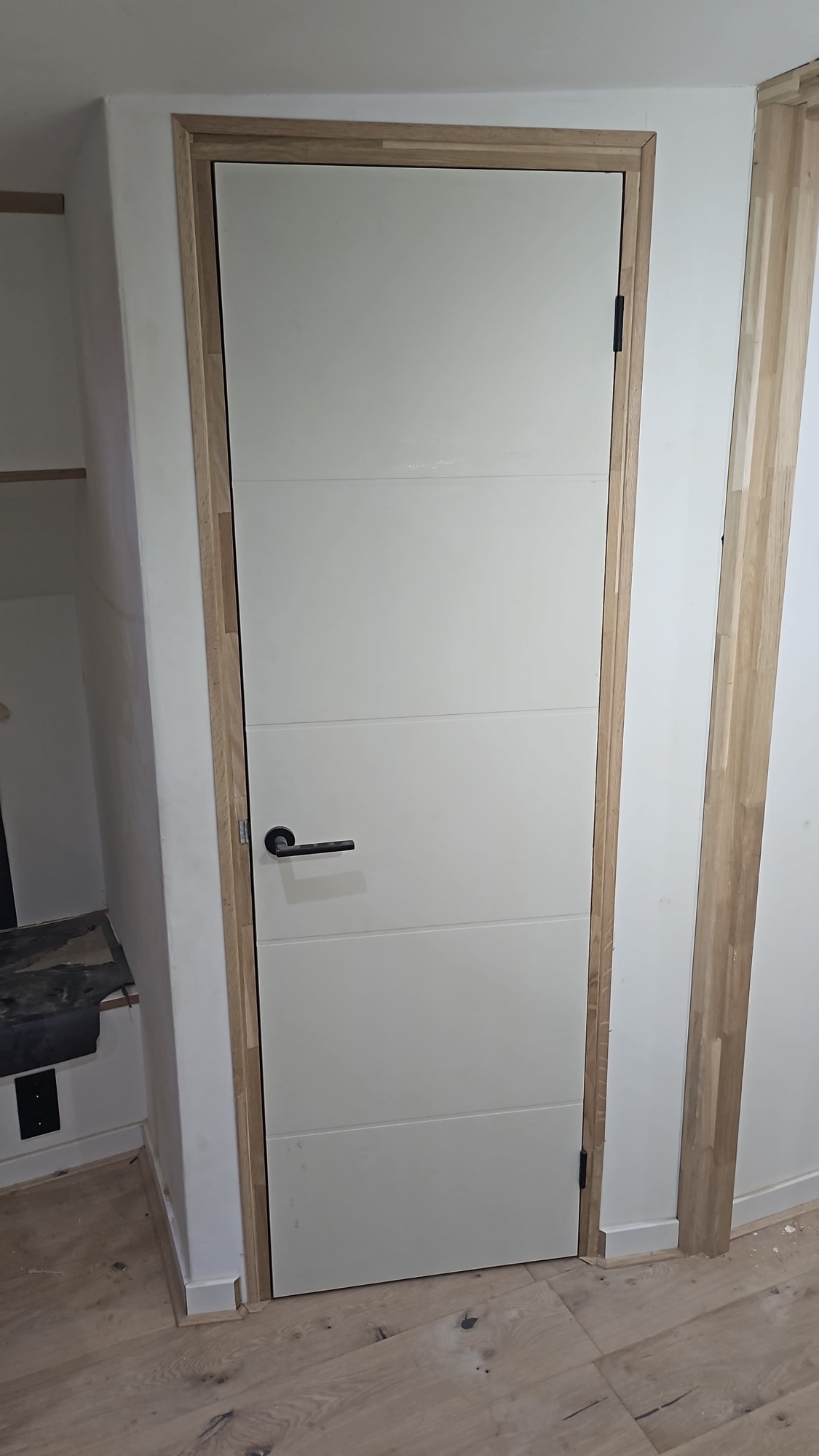
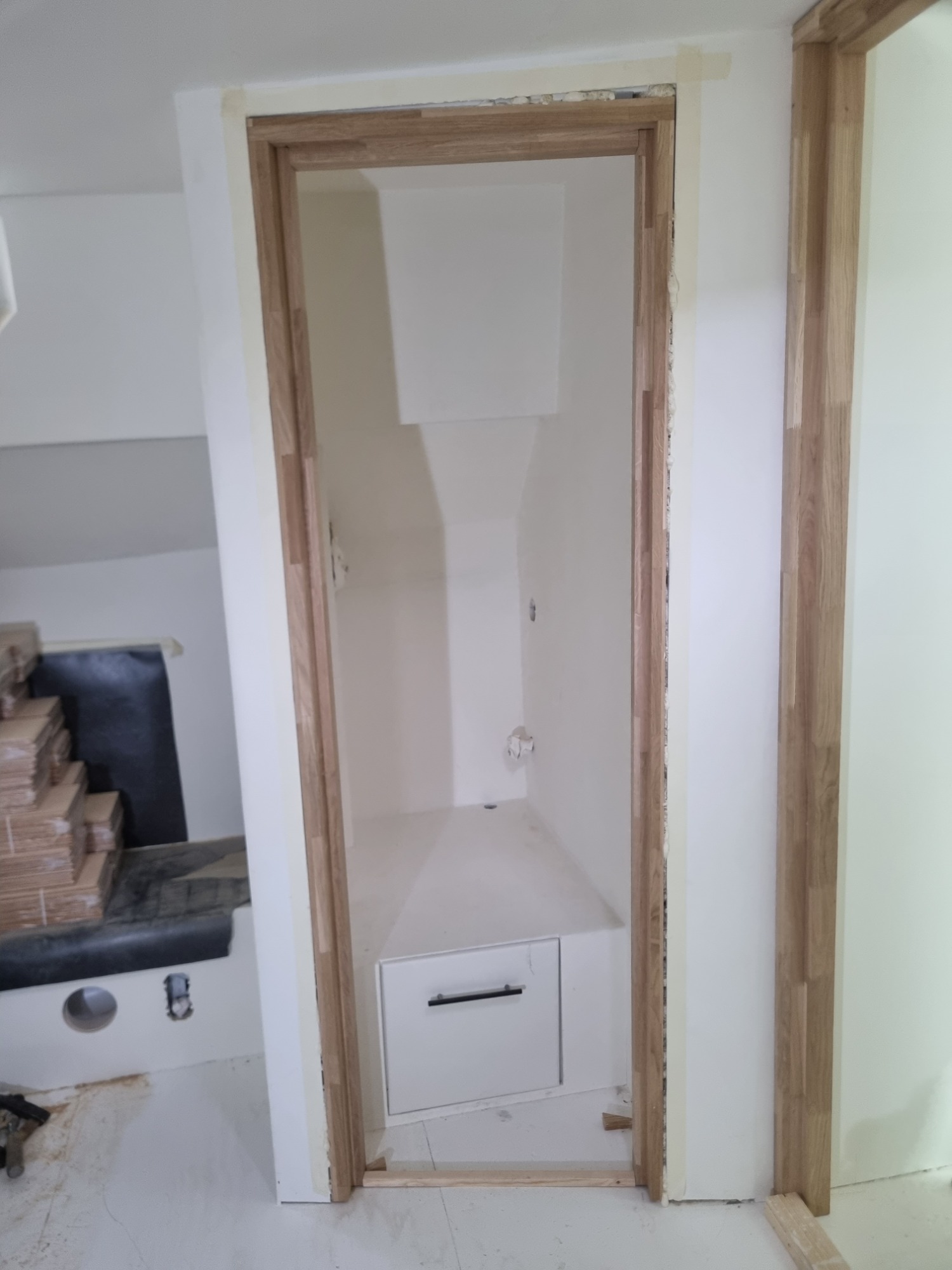
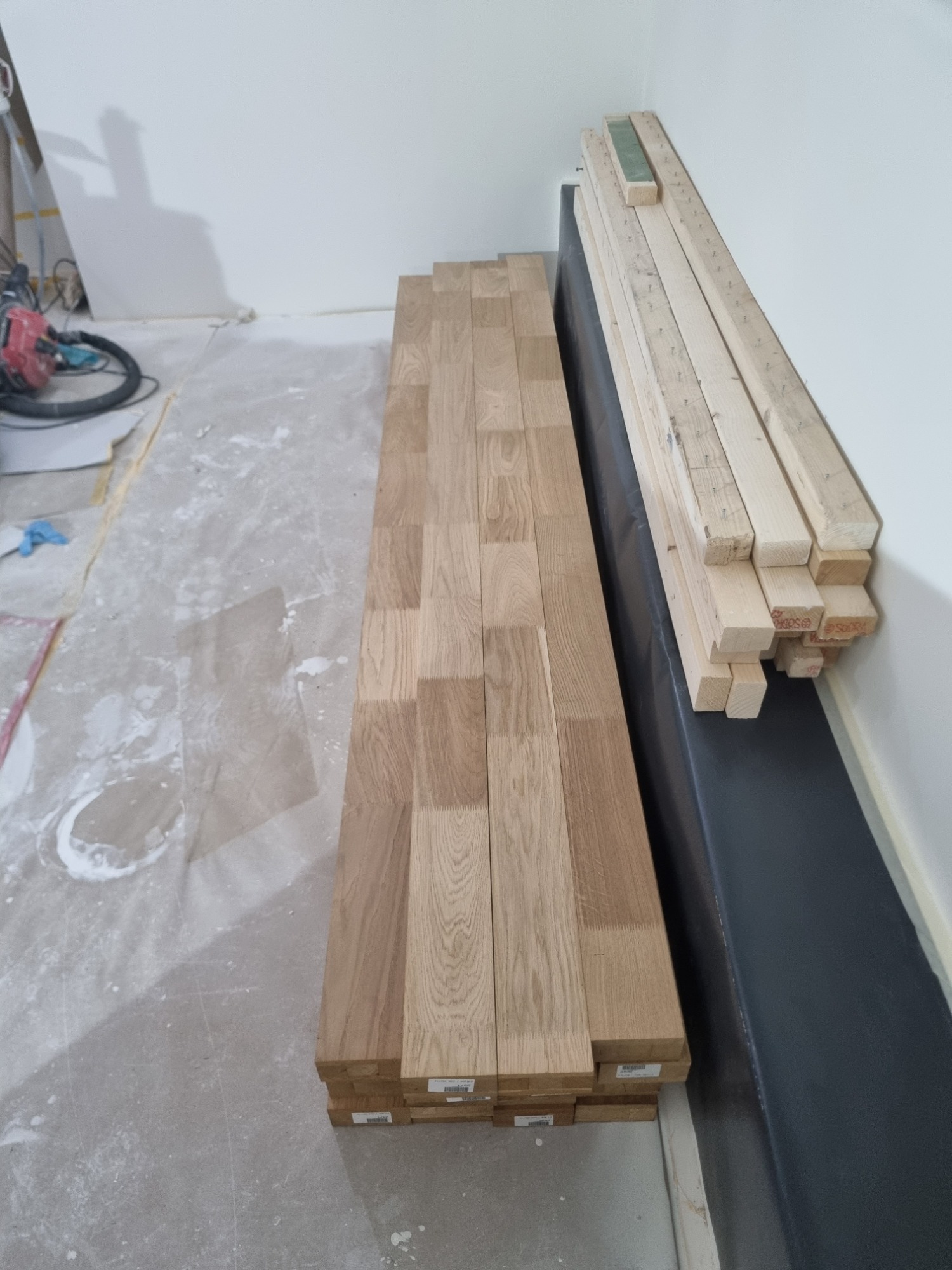
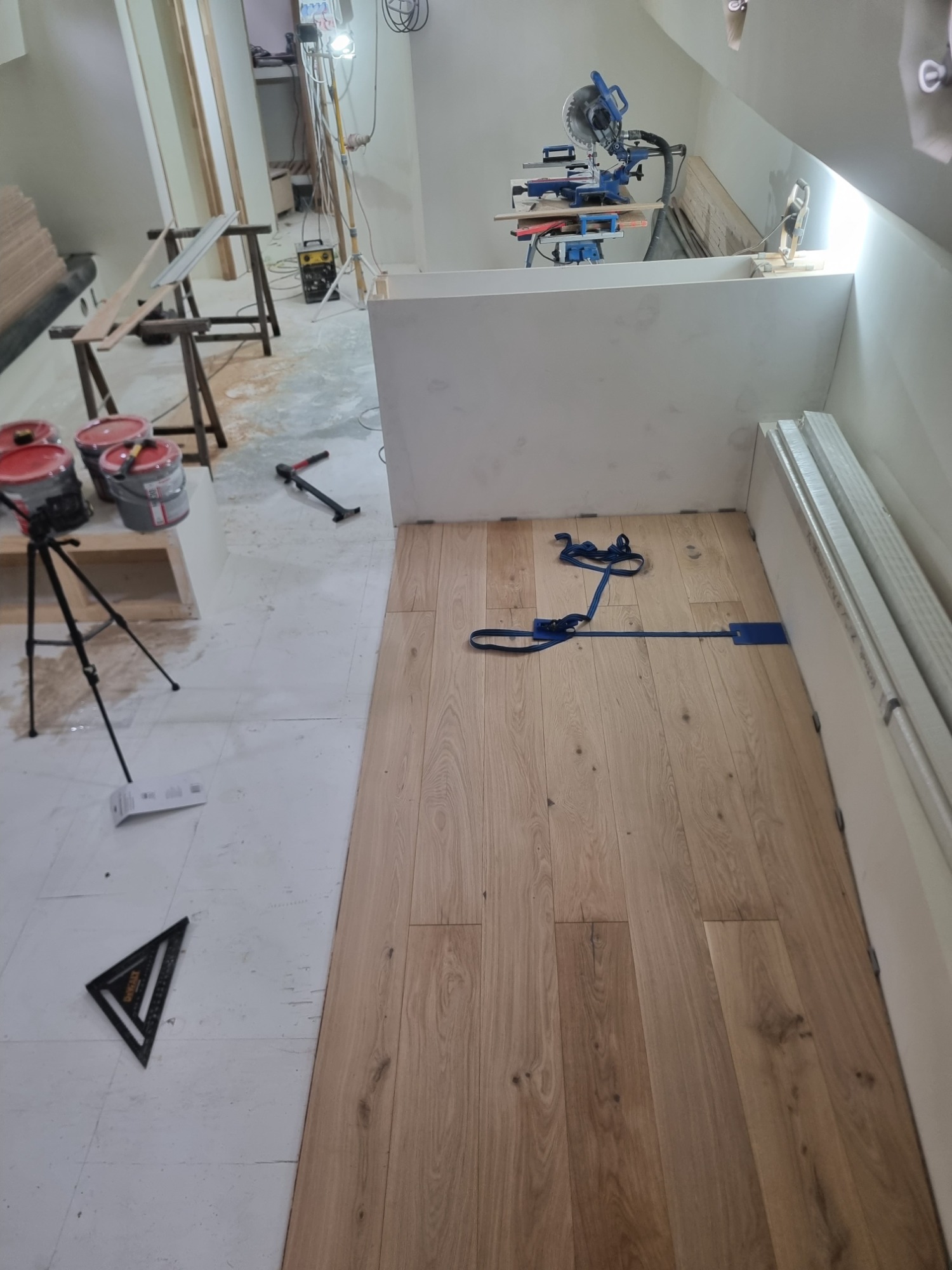
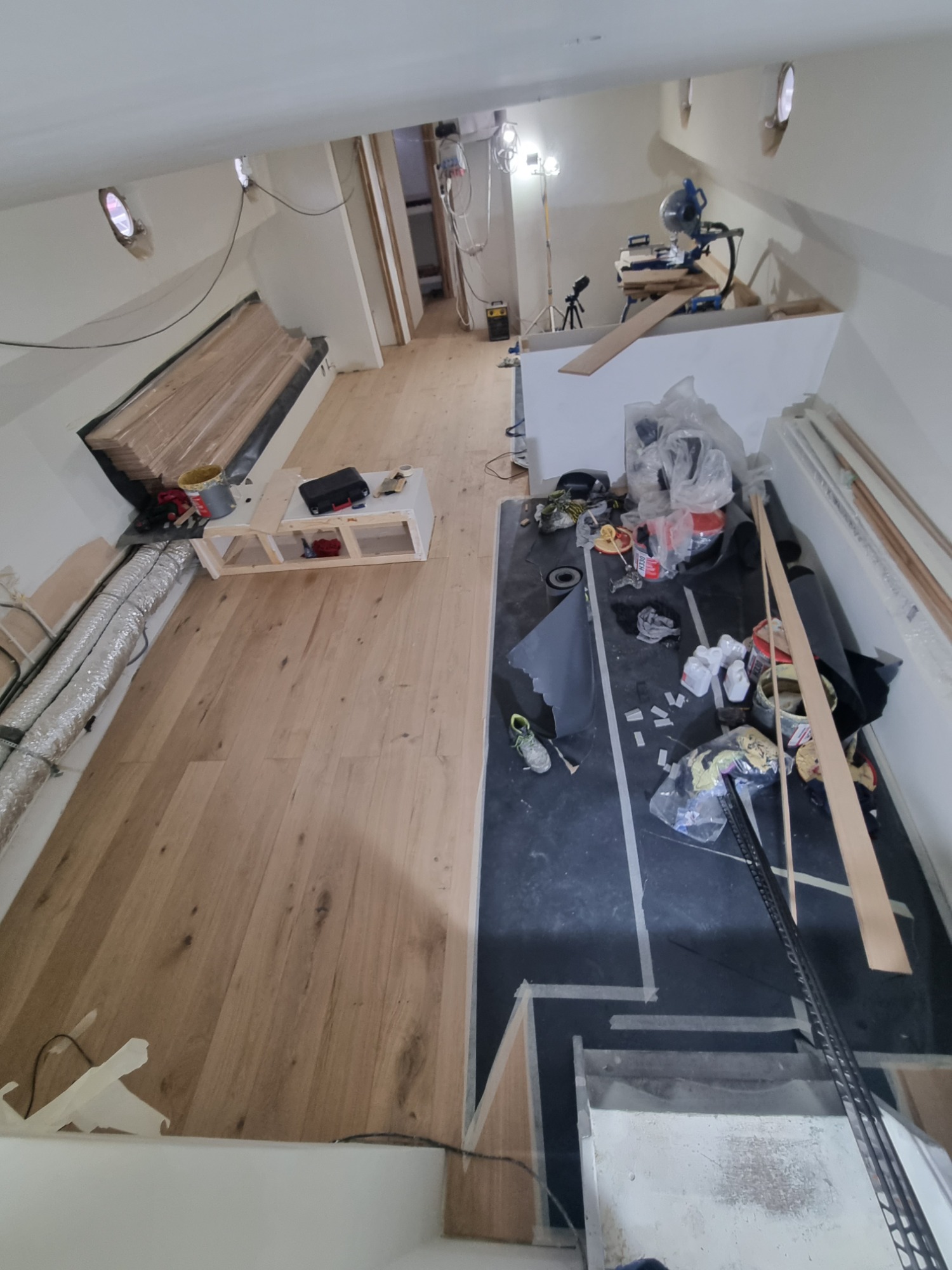
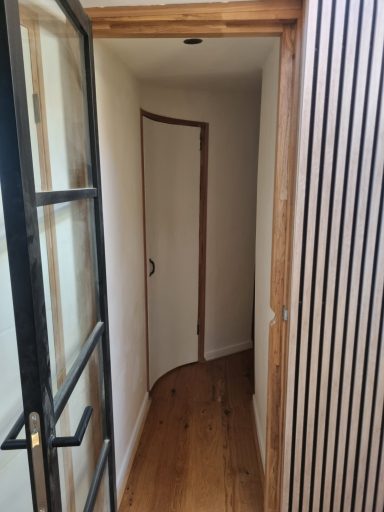
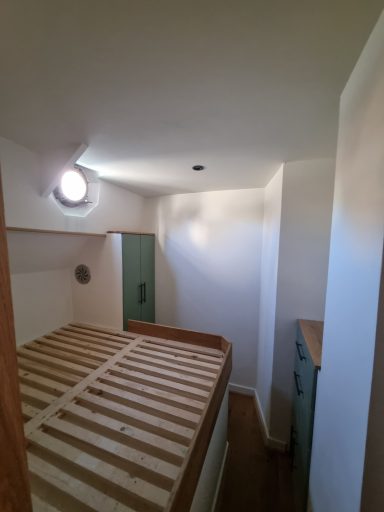
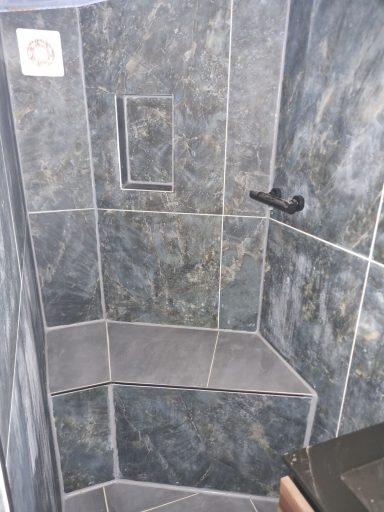
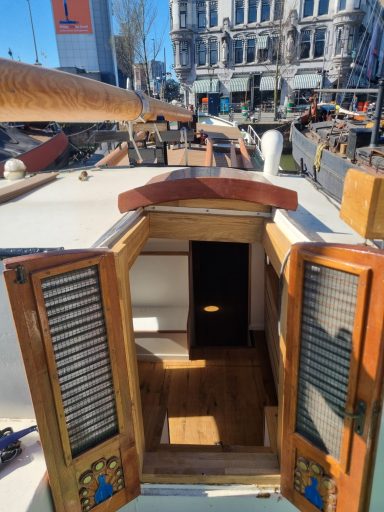
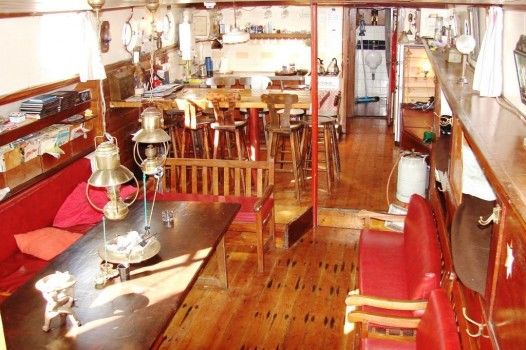
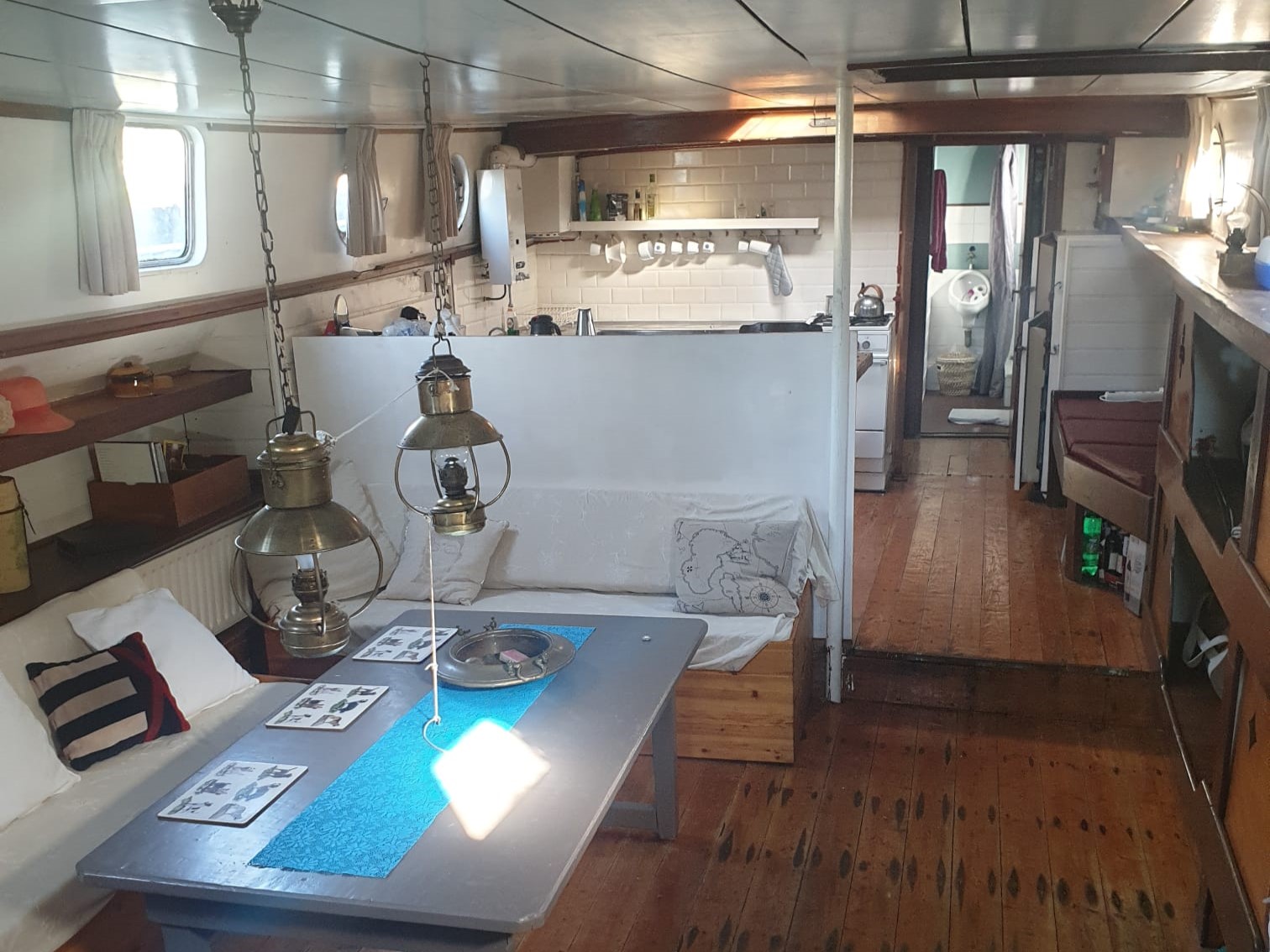
In these pictures, you can witness the finishing touches that brought the entire space together.
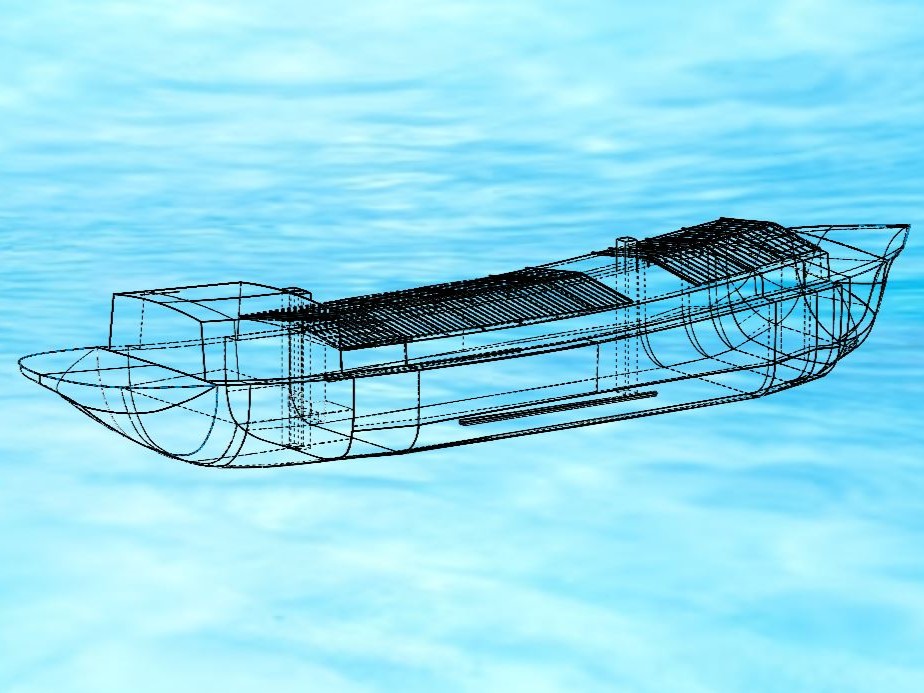
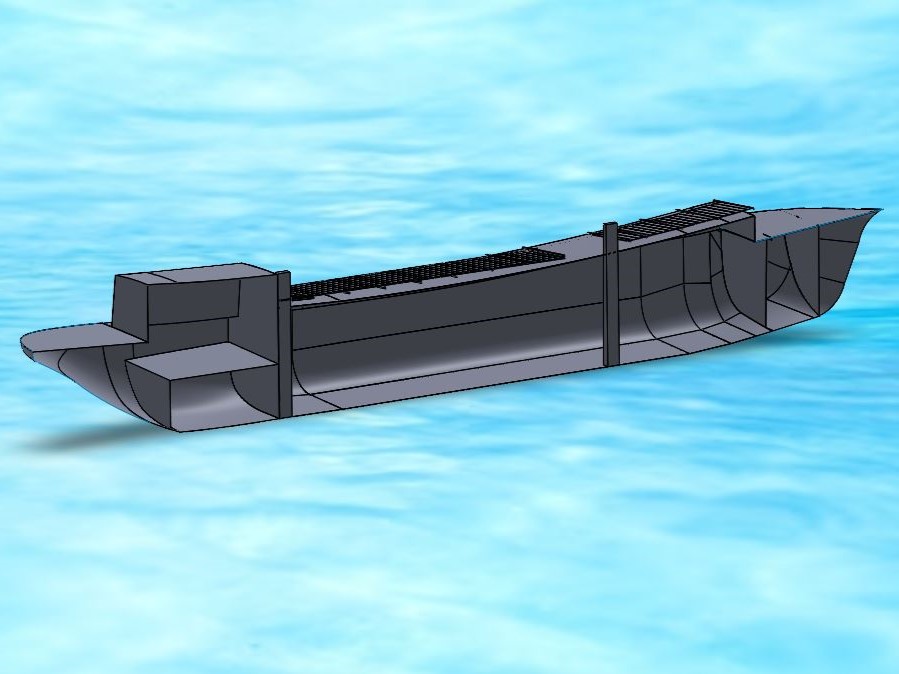
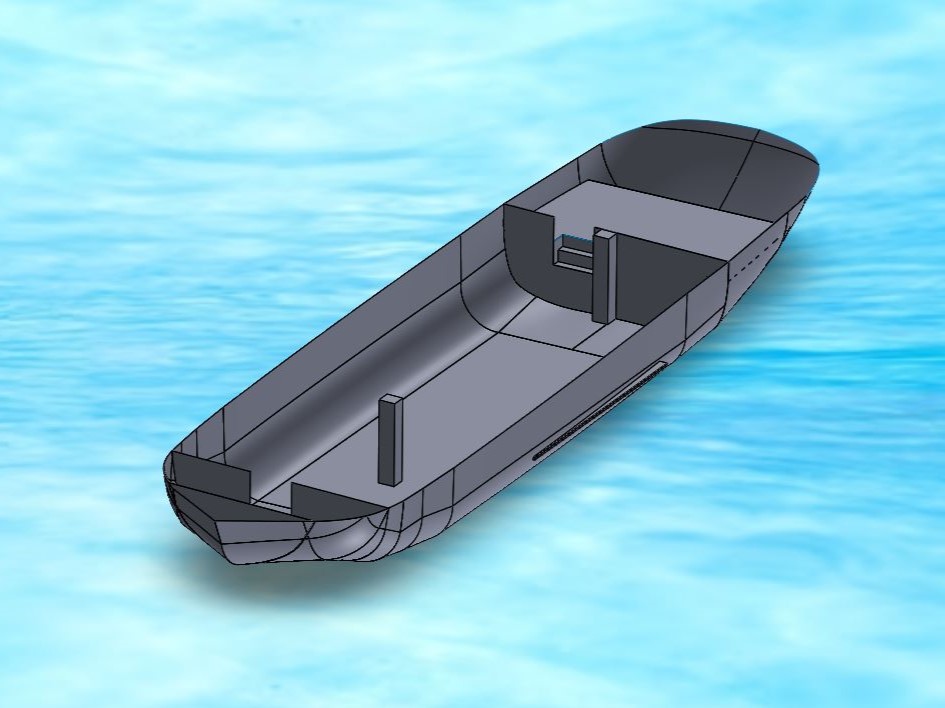
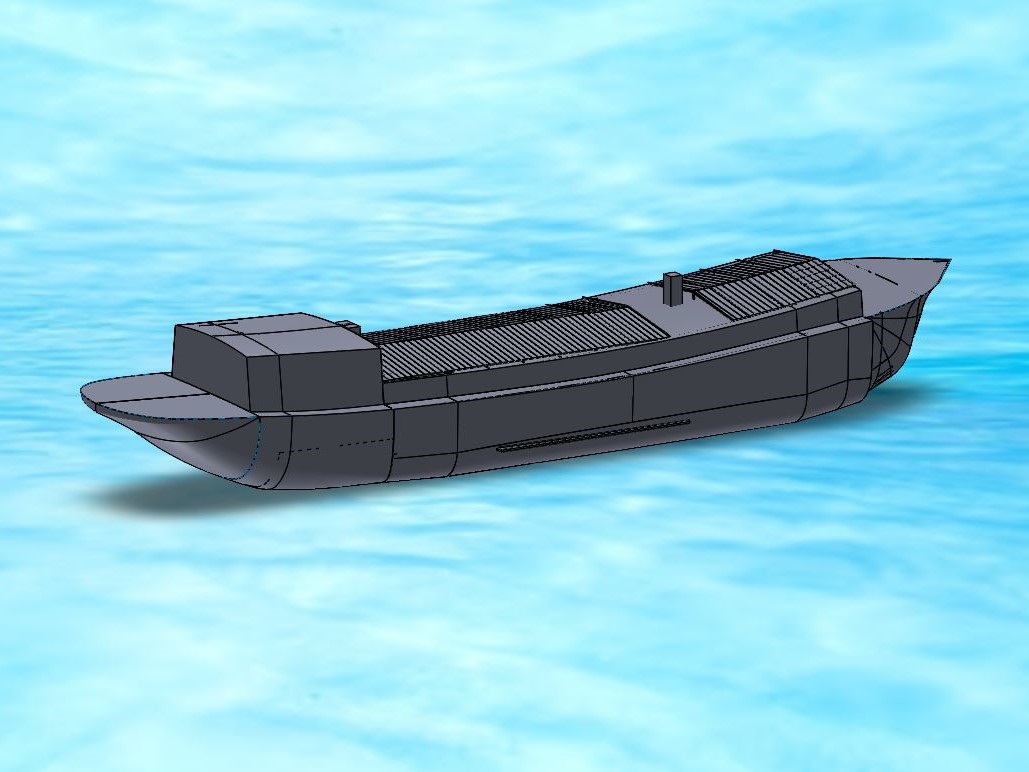
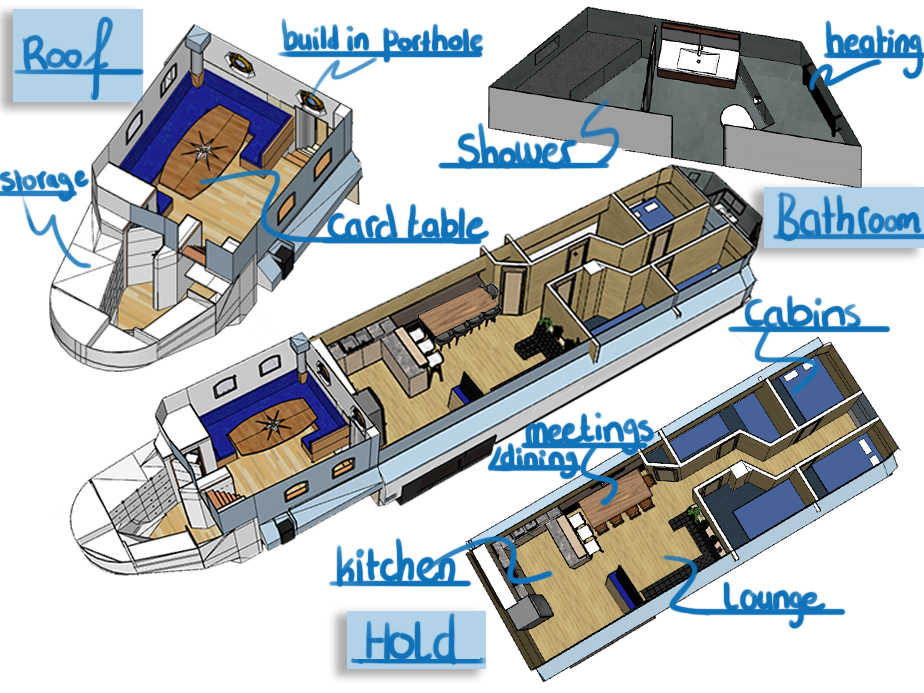
The following pictures showcase my 3D CAD work. The boat was scanned to create a point cloud, which I used as a guide to build the surfaces and construct my model.
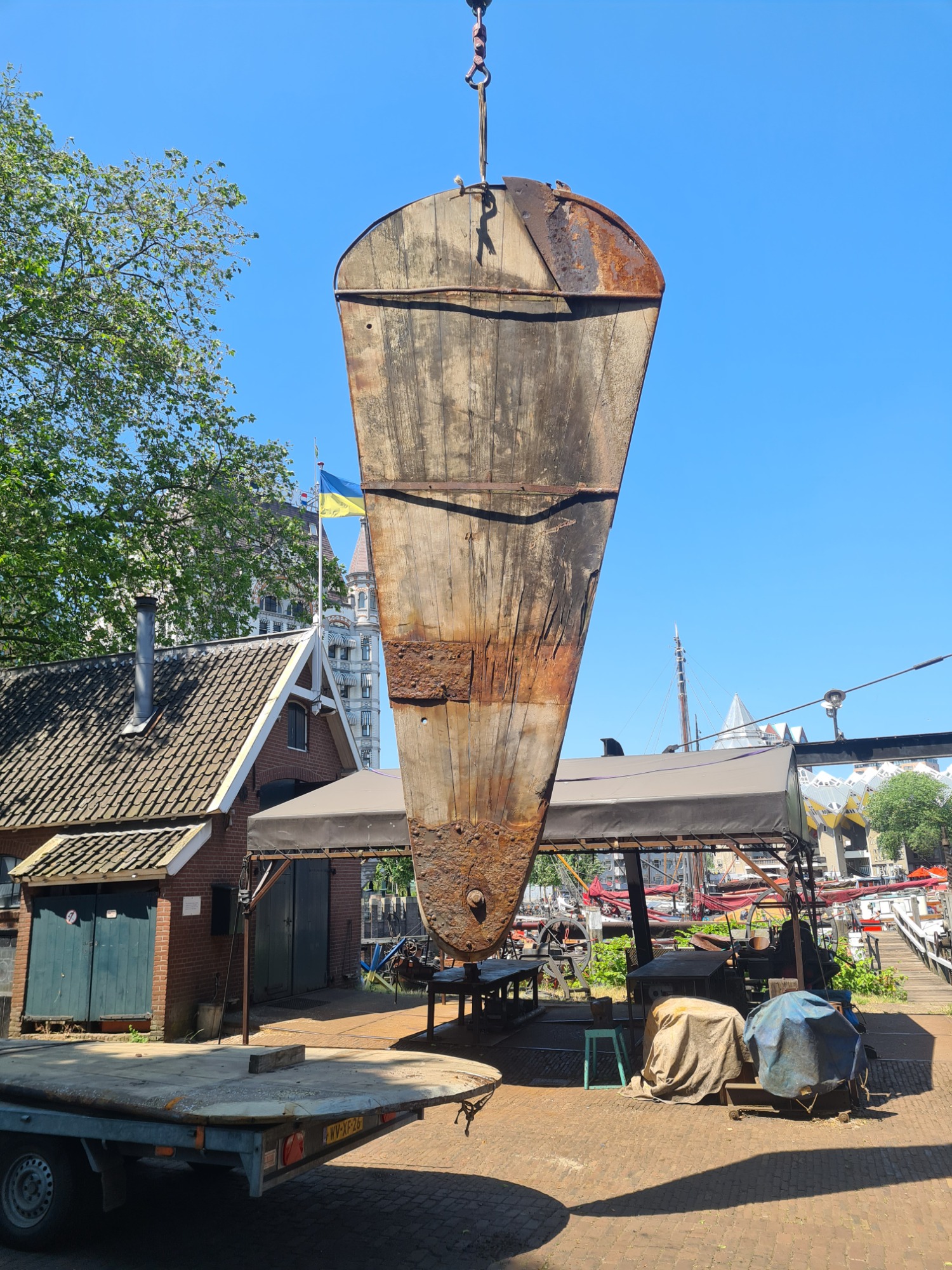
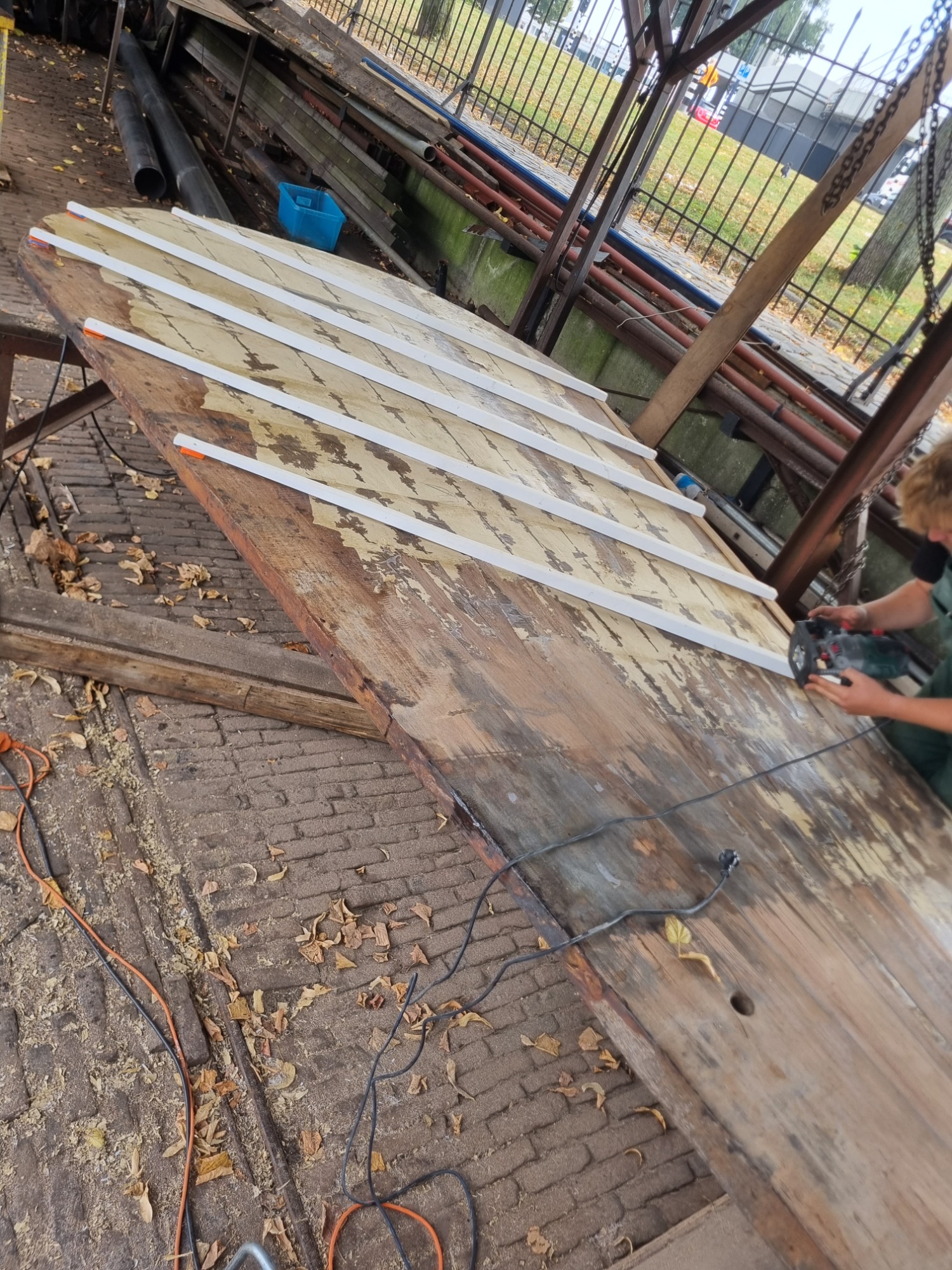
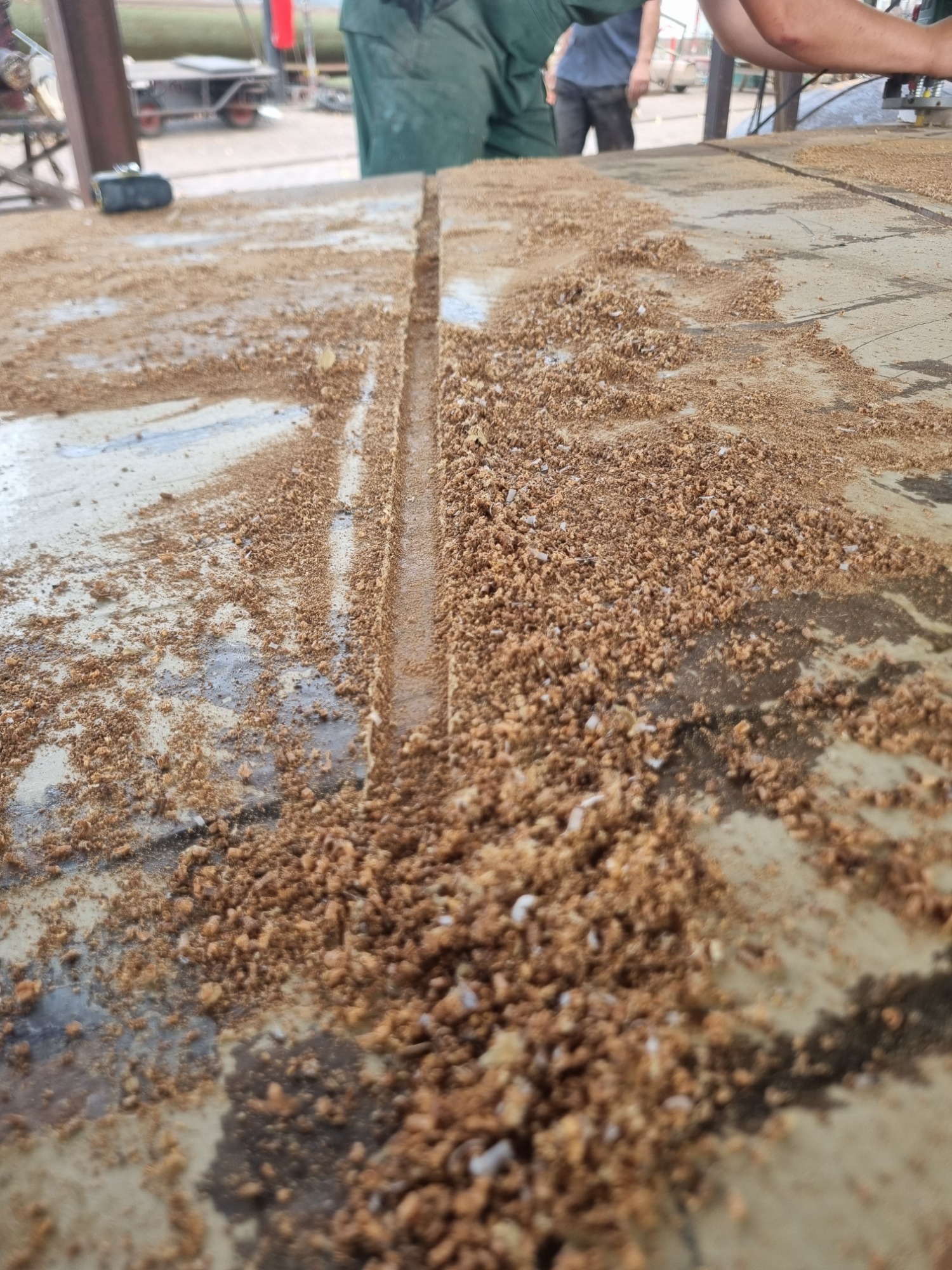
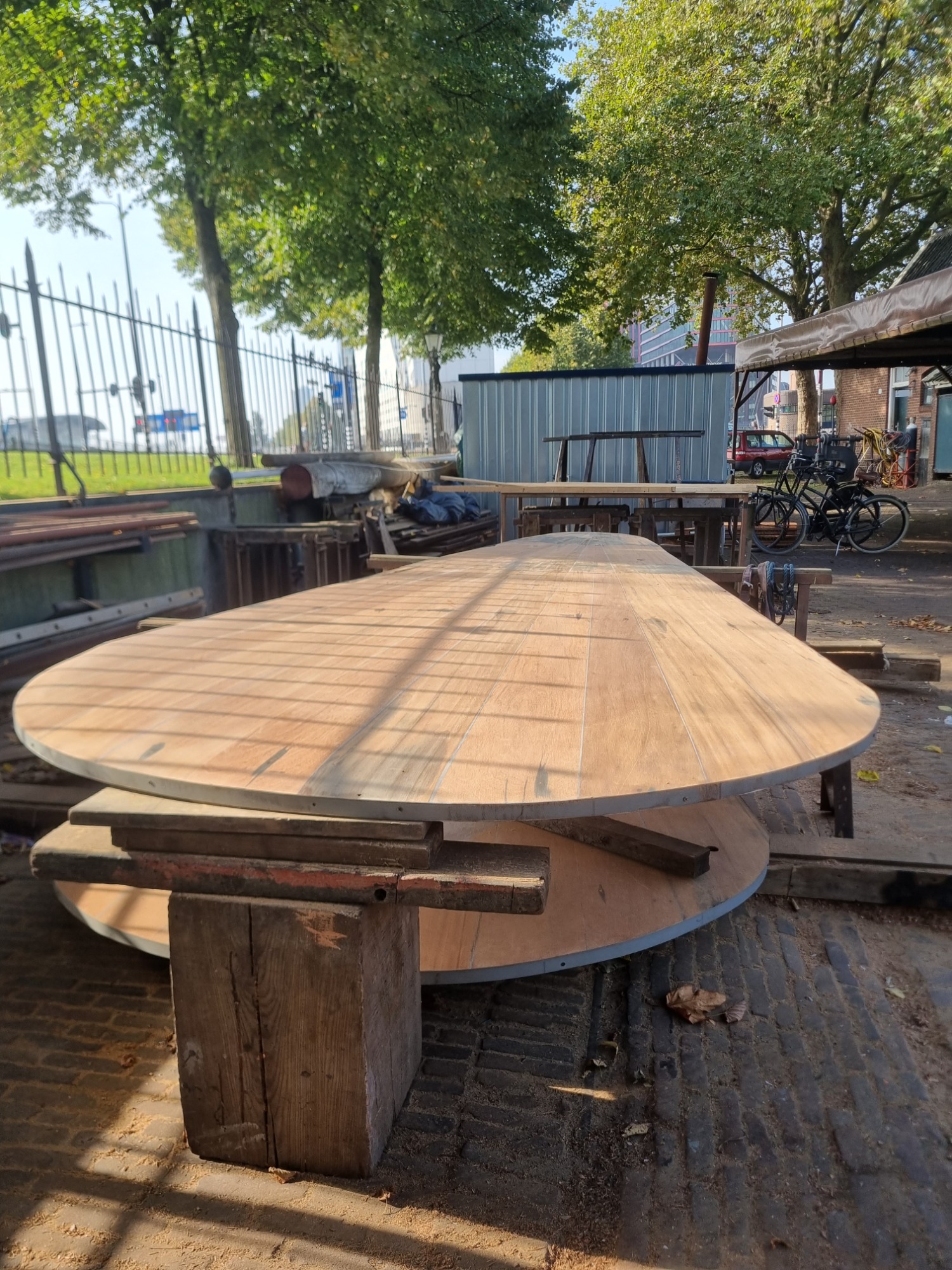
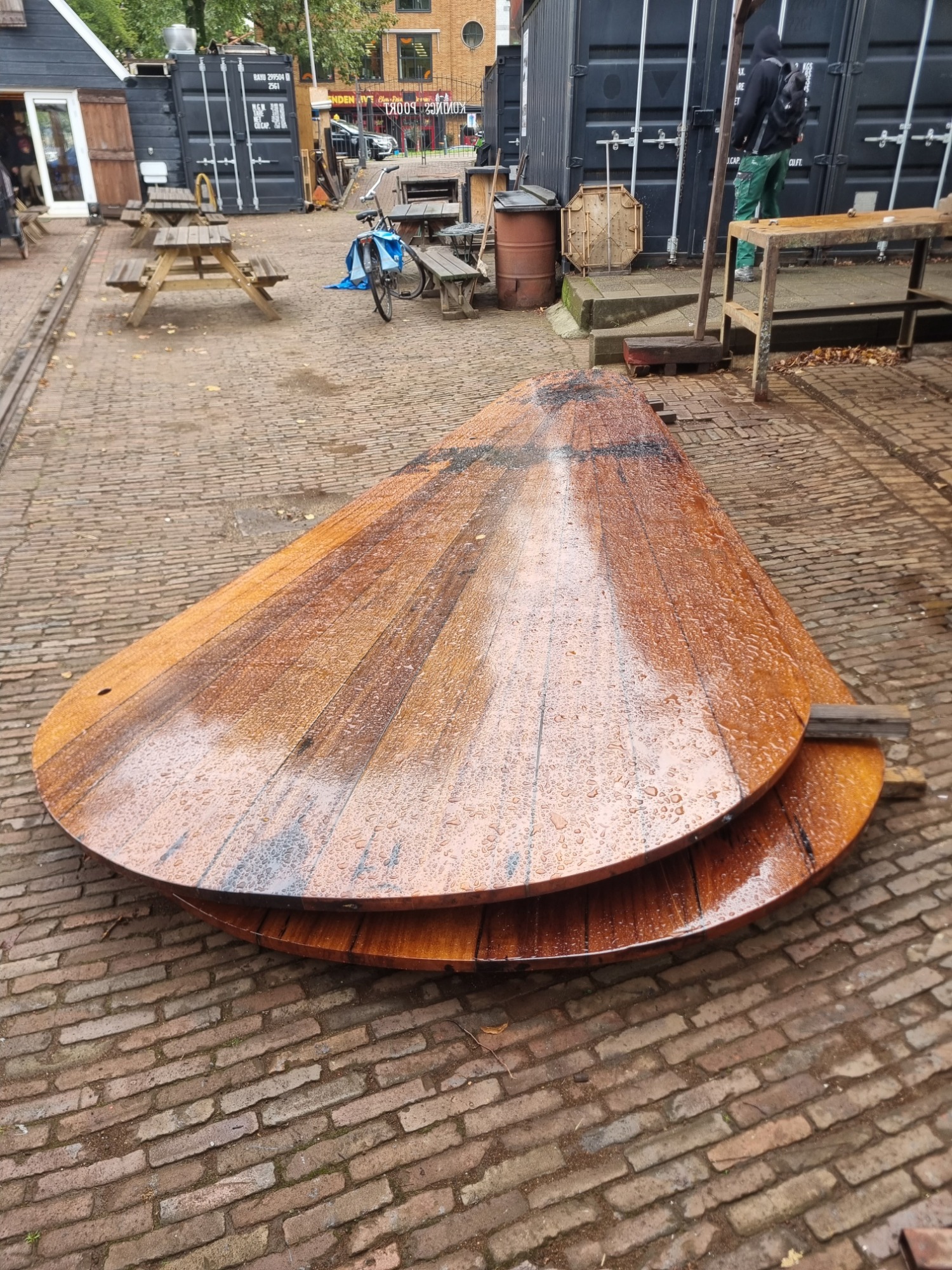
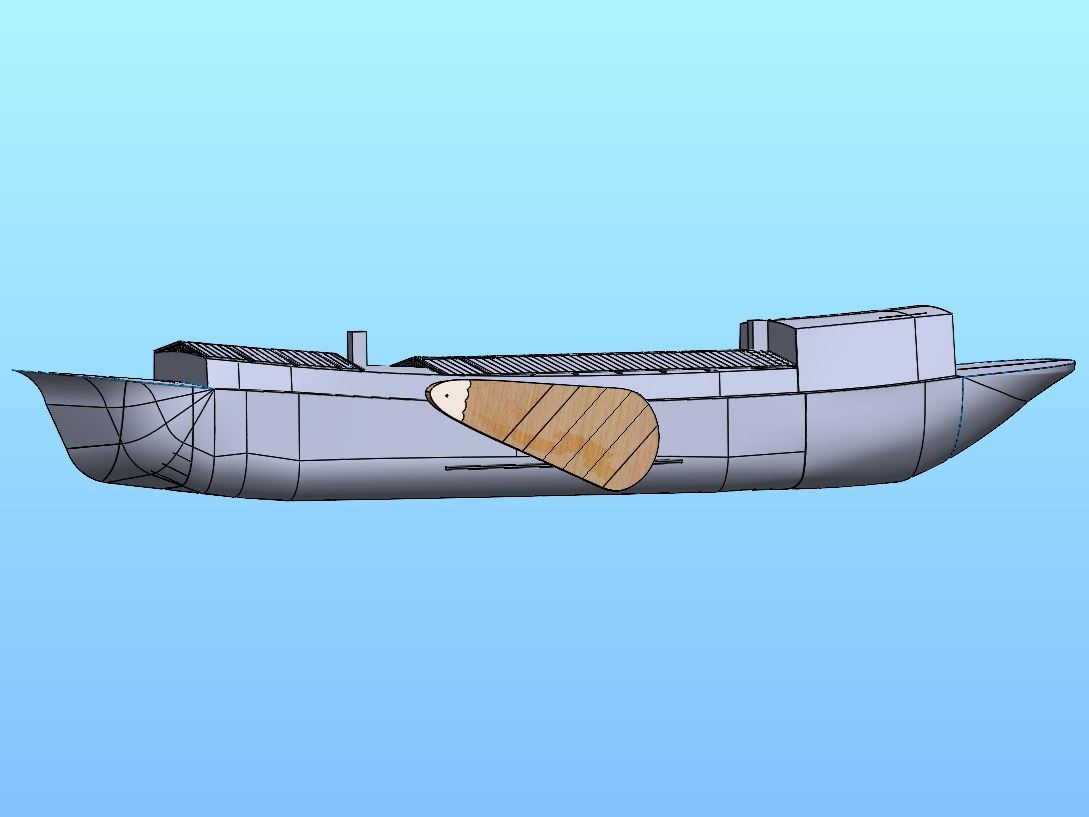
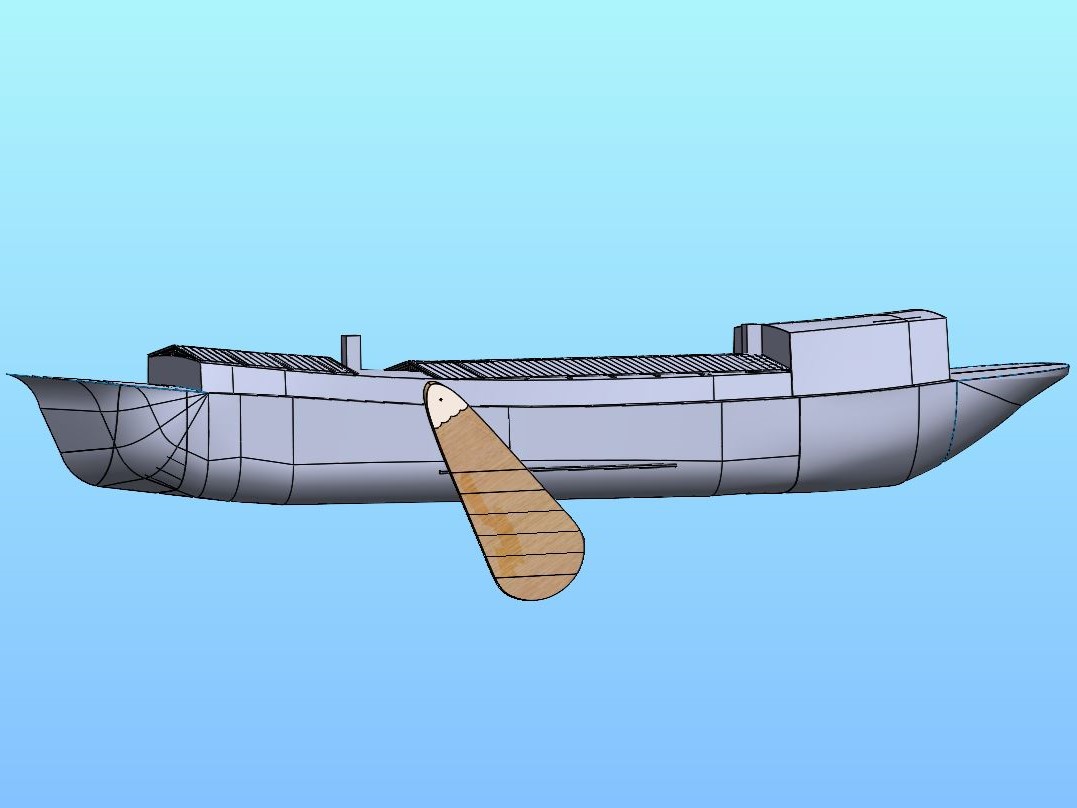
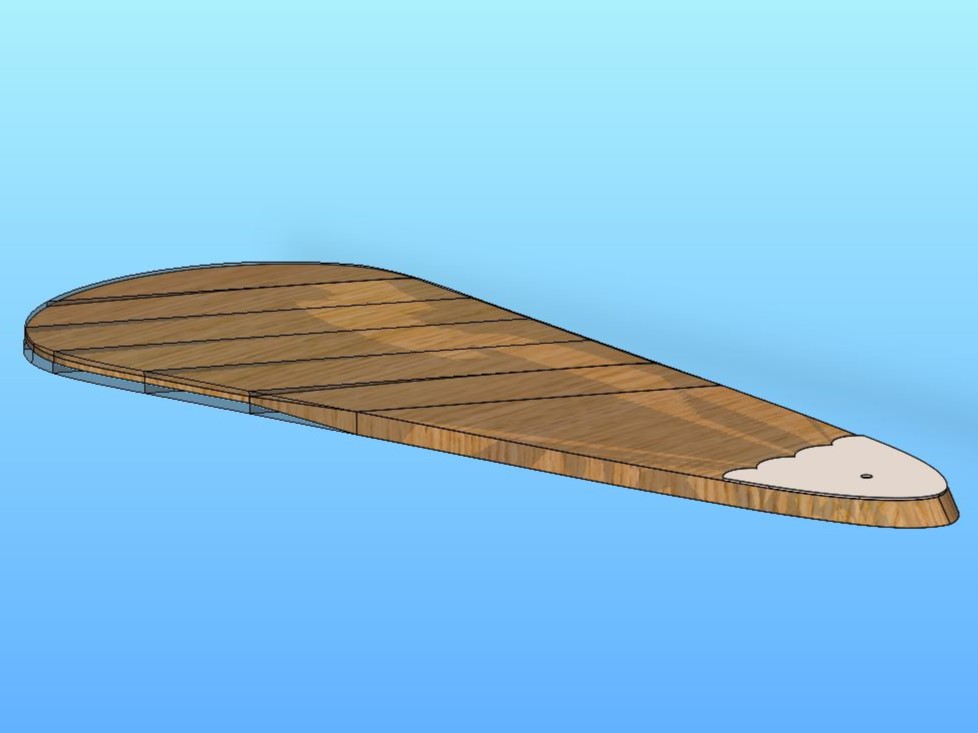
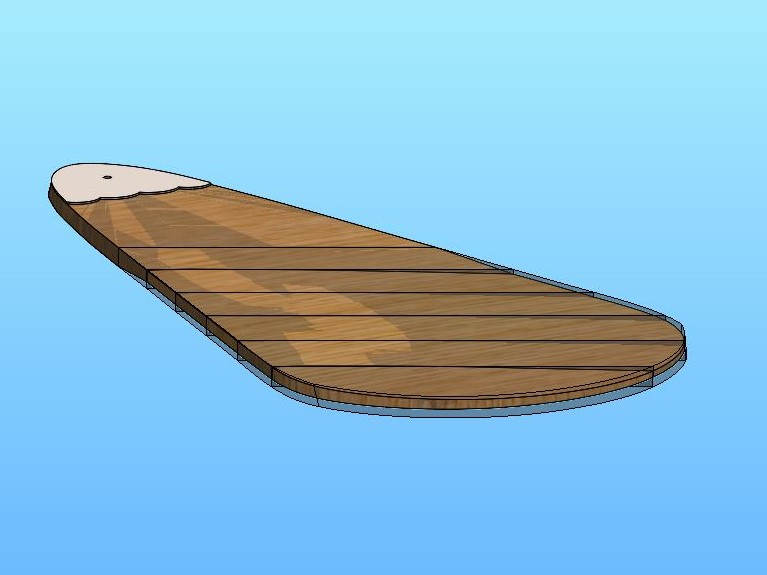
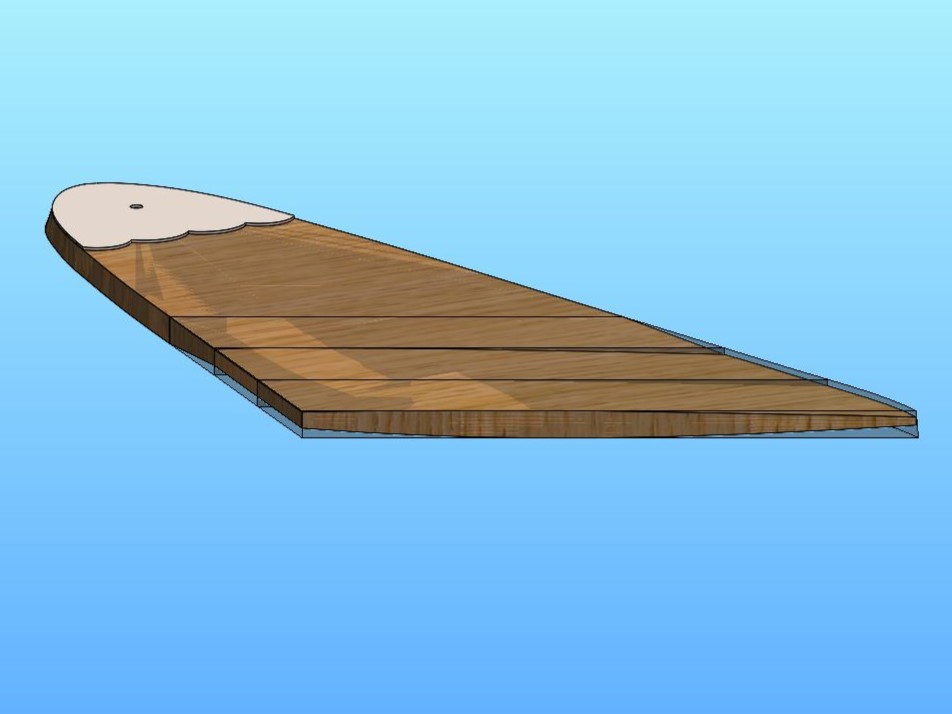
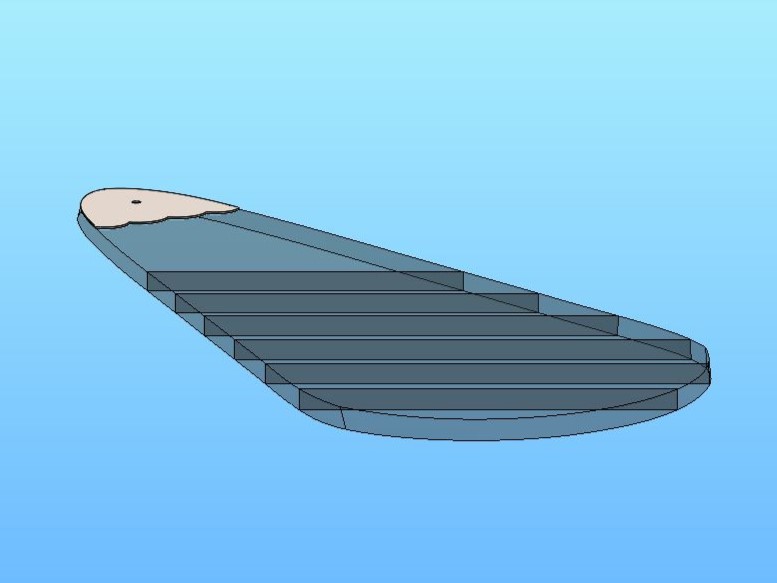
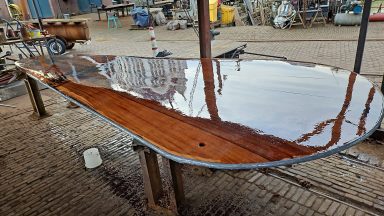
The centerboard project was a significant undertaking. We acquired secondhand Bankiray centerboards in Friesland, recognizing their potential but acknowledging the need for extensive work. The initial step involved removing all the old hardware and measuring the centerboards. Utilizing 3D CAD modeling, I determined the ideal length based on the boat model, ensuring optimal efficiency in the water.
To achieve the most effective form for the centerboard, we employed a formula to calculate the perfect airplane wing shape. This calculation was performed for all cross-sections, and I translated the results into a 3D CAD model. Creating molds from this model allowed us to shape the wood according to our desired form, with templates applied to the top and bottom of the centerboard. We began by filling the slits with epoxy, ensuring structural integrity before milling our desired form into the wood.
The process concluded with a robust layer of epoxy, and I forwarded the specifications for the stainless steel hardware I designed to the metalworker for preparation.
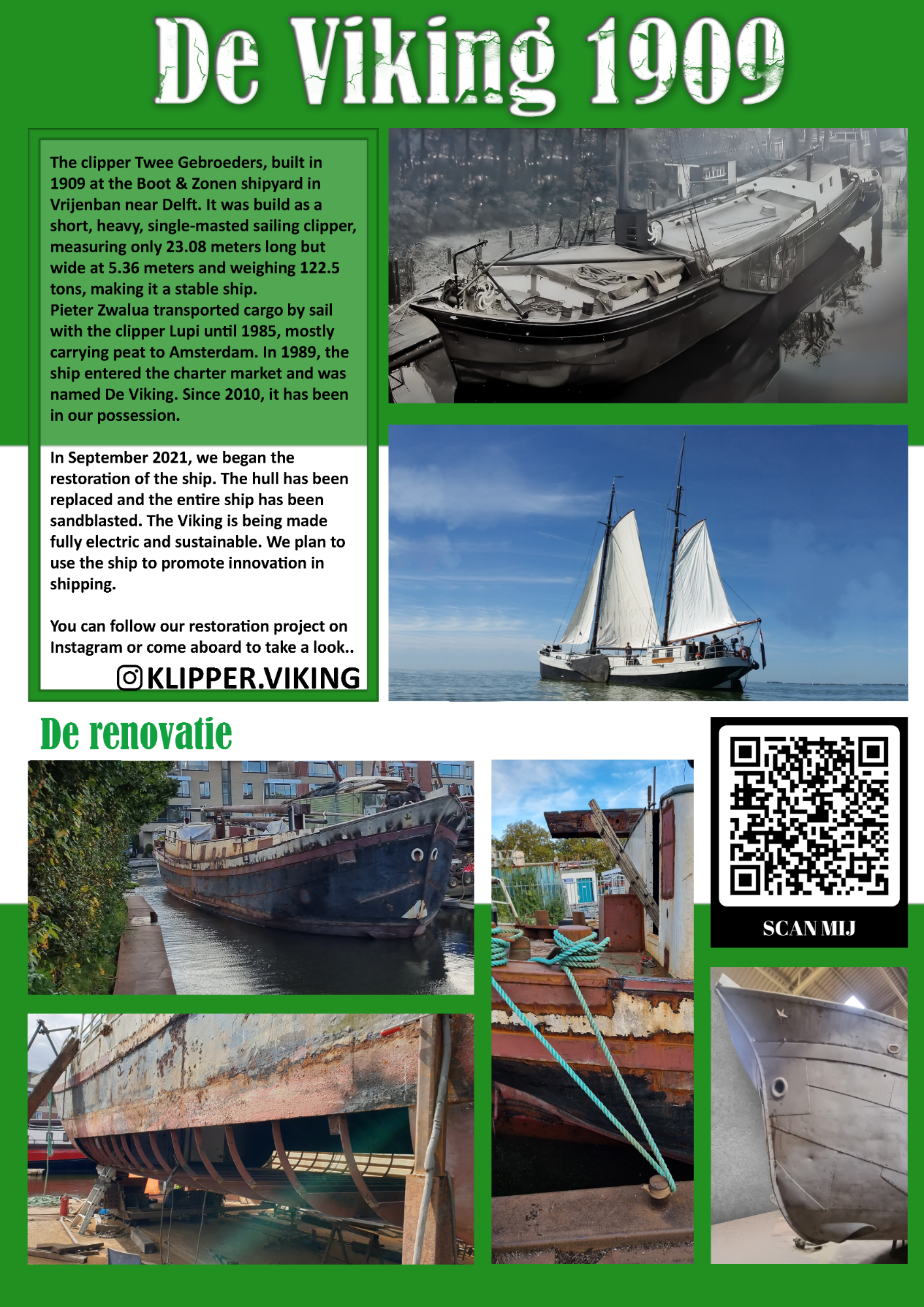
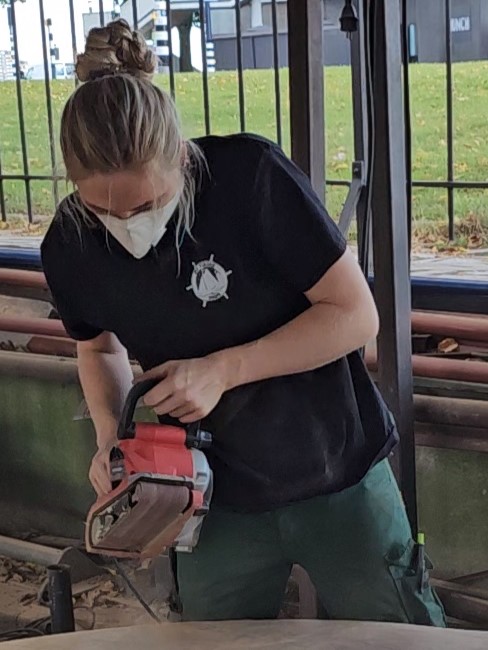
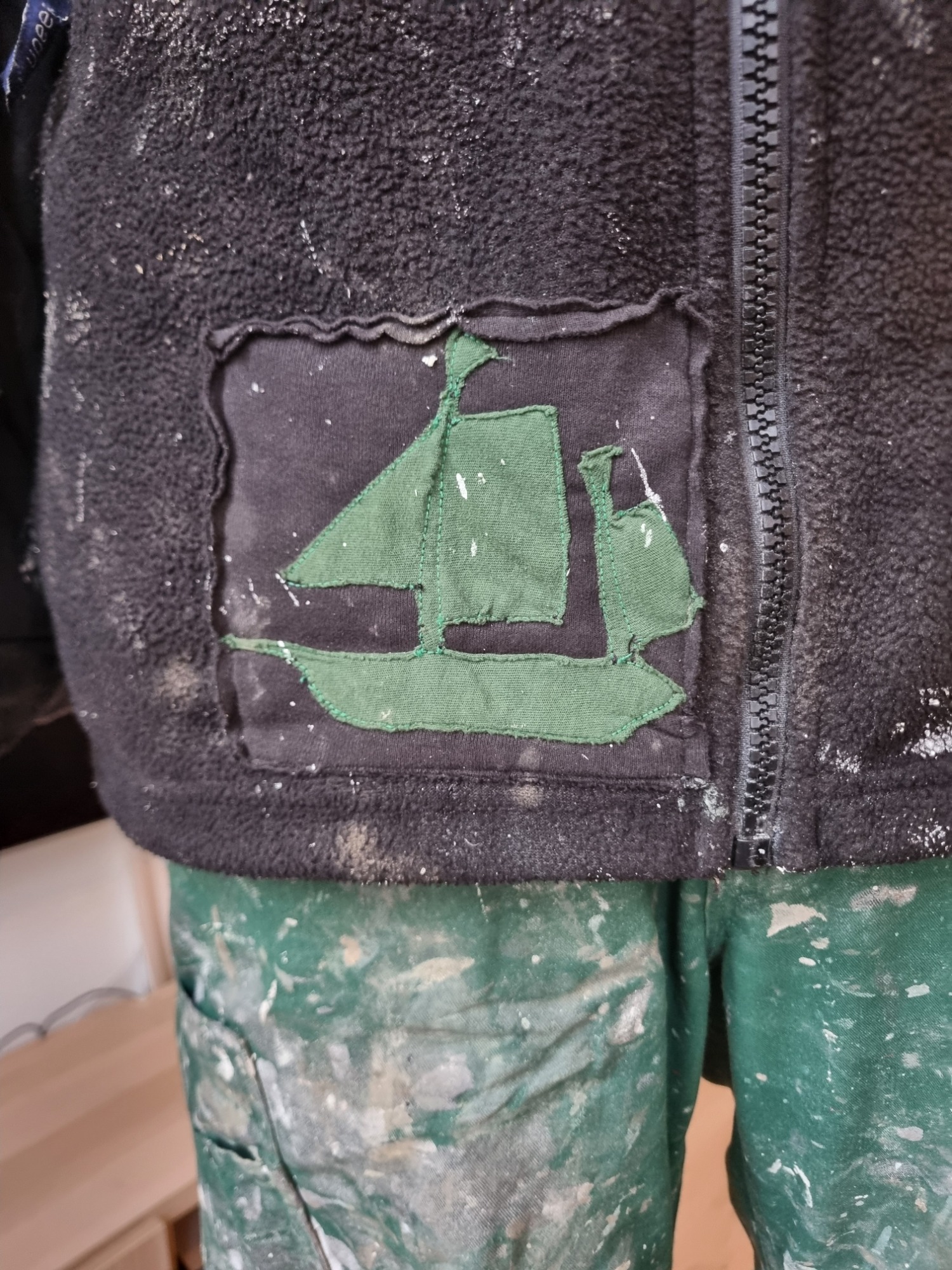
All the products showcased above are creations I designed for the commercial advertisement of the project. The logo, not only serves as the symbol of the project but has also been incorporated into the design of our work attire. Additionally, I conceptualized and created a compelling poster strategically placed to inform passersby about the project.